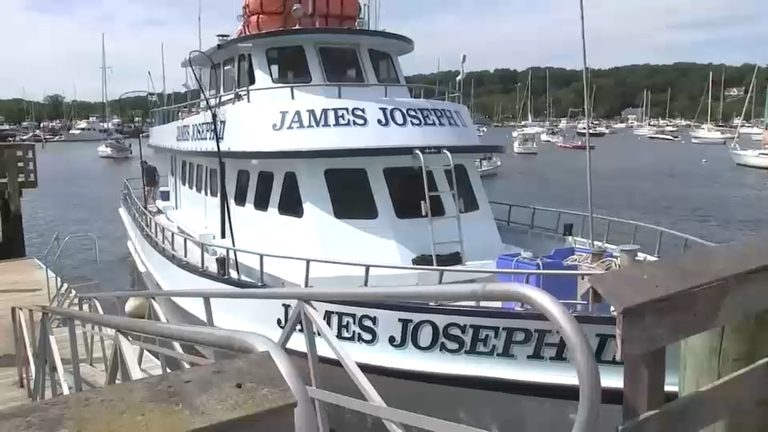
New York City – On the 25th anniversary of the September 11 attacks, Captain James Schneider of the fishing vessel James Joseph II remembered the harrowing day his crew became part of the nation’s largest maritime rescue operation. While anchored in Norwalk, Connecticut, Schneider received a call from his brother, an NYPD detective, that the North Tower had been struck. He immediately turned his boat toward Manhattan.
From leisure cruise to rescue mission
After dropping off his morning passengers, Schneider assembled a crew of 13 and headed back to the East River. Along the way he witnessed both towers collapse, describing the smoke as “blacker than any smoke I’ve ever seen in my life.” The dense, toxic plume limited visibility, forcing vessels to navigate by feel and instinct.
Schneider joined a massive flotilla of police boats, tugboats, ferries, yachts and other private vessels that converged on the Manhattan shoreline. Roughly 150 boats descended on the city, forming a human chain that shuttled residents from the crowded waterfront to safety. Schneider recalled the scene: “They were piling down into the water, like ants. We had to keep people from jumping off the pier because the panic was that intense.”
Lives saved and personal stories
Among those rescued was an eight‑month‑pregnant woman who later recognized the James Joseph II docked at a marina and sought out Schneider. She told him she had worked in the World Trade Center that day and feared she would lose her baby. “To have her and her beautiful daughter next door, you know, it made my life definitely worth living,” Schneider said.
Schneider also spent hours searching for former dockhand Jake Jacoda, who had started a job at Cantor Fitzgerald in the towers just five weeks earlier. “They never found any part of Jake,” Schneider said, noting the lingering grief for many families.
Scale of the evacuation
Officials estimate that between 300,000 and 500,000 people were evacuated by boat in under nine hours, making it the largest sea evacuation in American history. Schneider himself spent 17 hours at the helm, guiding his vessel through smoke, darkness and the constant threat of falling debris.
Despite his pivotal role, Schneider downplays any notion of heroism. “It’s difficult for me to say I did anything important because it’s our responsibility to help. We’re not going to turn our backs on anybody on the water,” he said.
Remembering the sacrifice
As New Yorkers reflect on the tragedy, stories like Schneider’s highlight the courage and self‑lessness of ordinary citizens who stepped up when the nation needed them most. The maritime rescue effort remains a testament to community solidarity, faith in one another, and the enduring spirit of the city.
Original reporting: Brookhaven News – ABC7 New York — read the source article.