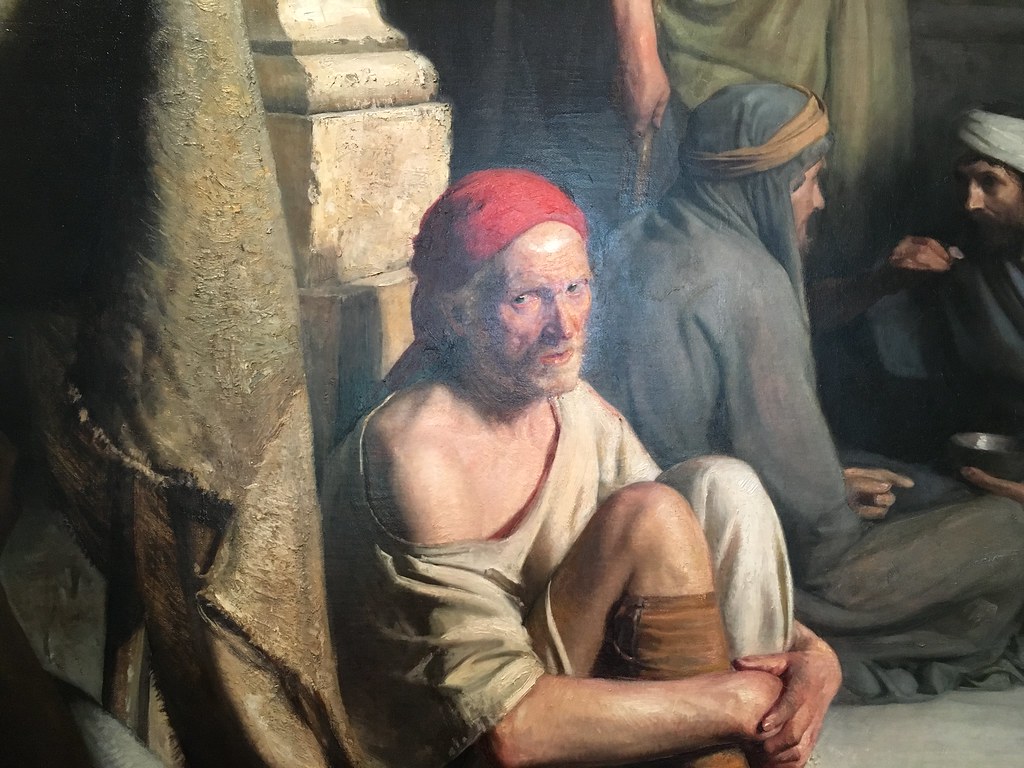
There is a particular kind of afternoon that Provo does better than almost anywhere else in the Mountain West: the kind where the light falls at a low, golden angle, the air carries just enough of a chill to make you want to stay inside somewhere beautiful, and you find yourself standing in front of a painting that genuinely stops you mid-step. That afternoon, for me, happens at the Brigham Young University Museum of Art — and it keeps happening, every single time I go back.
Situated right on BYU’s sweeping campus in the heart of Provo, the MOA (as locals call it) is one of the most quietly impressive art museums in the entire Intermountain West. It doesn’t shout about itself. The brick-and-glass building sits with a kind of confident stillness near the southeast corner of campus, just off Campus Drive — easy to find, free to enter, and absolutely worth your full attention. Yes, you read that correctly: admission is free, every single day it’s open.
Step inside and the first thing you notice is the scale. The ceilings soar. The galleries unfold in a way that feels genuinely curated — not cluttered, not sparse, but thoughtfully arranged so that each piece has room to breathe. The permanent collection spans more than 17,000 works, ranging from Renaissance masters to 19th-century American landscapes to contemporary pieces that will make you text a photo to a friend with no caption because no caption would do it justice.
One of the museum’s recurring highlights is its rotating exhibition program. The MOA has hosted world-class traveling shows — original works by Rembrandt, Turner, Monet, Manet — the kind of names that send art lovers booking flights to New York or Chicago. Here, those shows come to you, tucked into a university town at the foot of the Wasatch Mountains, accessible without a reservation, a parking garage nightmare, or a $35 admission fee.
The permanent galleries are just as compelling. The collection of American realist painting is particularly strong, and the Hudson River School landscapes feel almost prophetic given the scenery just outside the museum’s windows. There is also a thoughtful representation of international works, including pieces from Asia, Latin America, and Europe, that make the collection feel genuinely global rather than parochial.
If you’re visiting with children, the lower-level education galleries offer interactive elements that keep younger visitors engaged without turning the experience into a theme park. And the museum’s gift shop — small but well-stocked — carries art books, prints, and locally made goods worth lingering over.
Plan to spend at least two hours here, maybe more. Come on a weekday morning if you want the galleries mostly to yourself, or a Saturday afternoon if you enjoy a bit of quiet energy around you. Either way, you’ll leave feeling like you’ve been somewhere that genuinely matters — because you have.