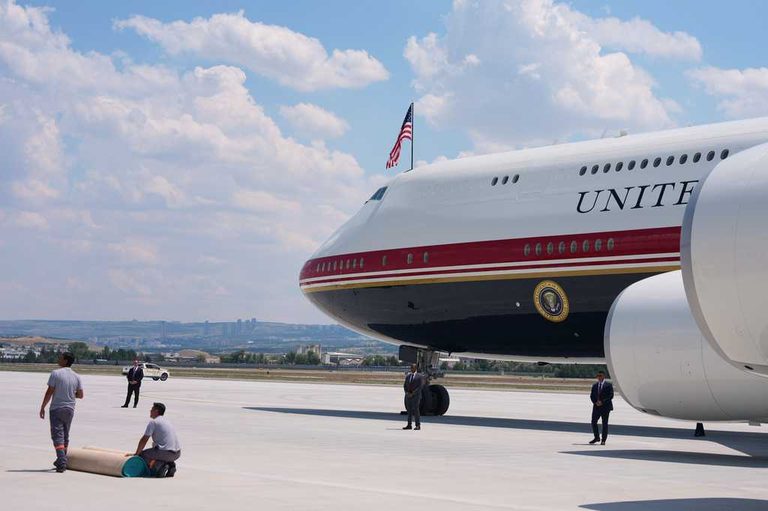
The New York Times has filed a motion to quash subpoenas served on its journalists over their reporting on security concerns involving the new Air Force One jet. The subpoenas, delivered to reporters at their homes, are part of a federal investigation into leaks of classified information.
Press Freedom vs. National Security
The case pits press freedom against the government’s ability to protect national security secrets. The Times argues that the subpoenas are an attempt to punish the newspaper for its coverage and violate the constitutional rights of its journalists.
The Justice Department says it values the important role of the press but must also ensure that those entrusted with national secrets do not share classified information. The department has developed internal policies governing how it responds to media leaks, including the use of subpoenas and search warrants to identify sources.
The New York Times reported that the new Air Force One jet, a gift from Qatar, lacks some advanced security features, including antimissile capabilities. The story cited anonymous sources and sparked a denial from former President Trump on social media.
Implications for Journalists and Sources
The case has implications for journalists and their sources. The Justice Department has periodically seized phone records of individual journalists in hopes of identifying sources for national security stories. However, it is rare for the government to attempt to compel a reporter to reveal their sources before a grand jury.
The New York Times and other news organizations have condemned the use of subpoenas and search warrants to hunt for government officials who make unauthorized disclosures to journalists. The case is likely to be closely watched by press freedom advocates and journalists.
Original reporting: WESH Orlando — read the source article.