Pastaworks has been on NW 23rd Avenue since 1983, and if you’ve cooked seriously in Portland for any length of time, you’ve probably been through its doors more than once. The shop occupies a narrow space in Nob Hill that smells like aged cheese and dried pasta before you even get to the counter, and that’s not an accident — this place was built around ingredients, not atmosphere.
What is it, exactly? Part Italian grocery, part cheese shop, part butcher counter, part prepared-foods counter. The categories blur in a way that makes sense once you’re inside. You go for Parmigiano-Reggiano and end up buying a container of their house-made pasta and a jar of Calabrian chilies because you spotted them on the way out. That’s the Pastaworks effect.
The cheese selection is the anchor. Staff here know what they’re selling — ask about a specific pecorino or whether the aged Gouda they have is worth the price, and you’ll get a straight answer, not a shrug. They’ll cut to order, they’ll let you taste, and they won’t hover. The prepared pasta — fresh tagliatelle, pappardelle, filled pastas that rotate with the season — is made in-house and holds up well even if you don’t cook it the same day. Prices are honest for what you’re getting: expect to pay $8–12 for a pound of fresh pasta, and the quality justifies it.
The deli counter at the back does a brisk lunch trade. The sandwiches are simple and good — Italian meats on decent bread, that kind of thing. Nothing theatrical. People who work nearby eat here regularly, which is usually a reliable signal.
There’s also a second location on SE Division, which opened in 1997 inside the larger Food Front co-op building. Both locations carry the same core inventory, though the NW 23rd shop feels more like the original: tighter, a little more market and a little less retail. Either one works, but the Nob Hill store has the neighborhood history behind it.
Pastaworks is the kind of place that’s easy to overlook if you’re not already cooking at home with some regularity. It doesn’t advertise much, doesn’t have a flashy social presence, and doesn’t need to. The regulars — caterers, home cooks, food-curious people passing through the neighborhood — keep it busy enough. Friday afternoons it gets crowded; Tuesday mornings it’s quiet and you can take your time at the cheese counter without feeling rushed.
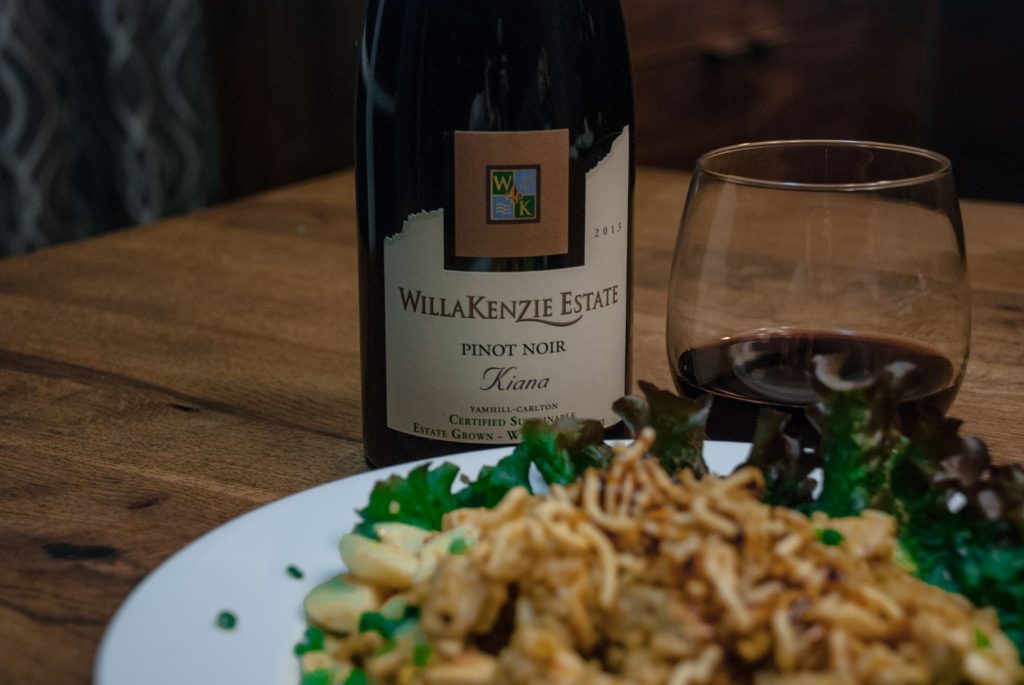
A few things worth grabbing if you go: the house-made fresh pasta (especially the pappardelle when they have it), whatever whole imported Parmesan chunk is available at the counter, the olive selection, and — if the season is right — their selection of Italian preserved goods, which runs deeper than most grocery stores in the city. They also carry a small but purposeful wine selection tilted toward Italian producers, priced in the $15–30 range for most bottles.
Portland has plenty of specialty food shops now, more than it did when Pastaworks opened. What the shop still has is institutional knowledge and consistency — two things that are harder to manufacture than a good Instagram grid. If you cook Italian food at home with any seriousness, it belongs on your regular circuit.