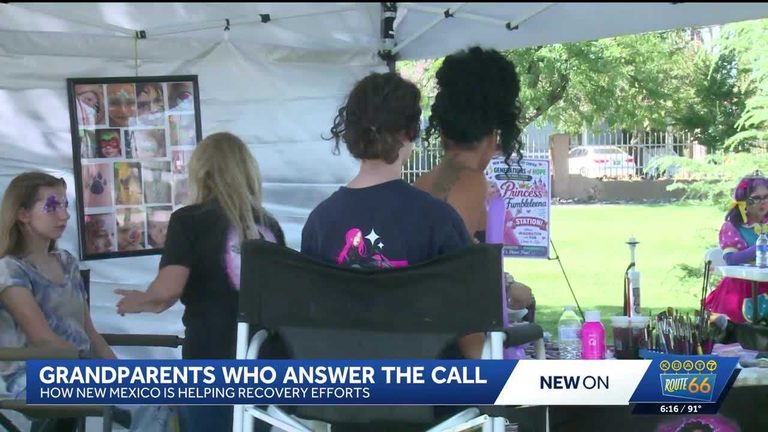
The New Mexico Re‑Entry Center held a community event on September 8, 2026, aimed at grandparents who have stepped in to raise their grandchildren while the children’s parents confront addiction, recovery or incarceration. The gathering provided a welcoming space for families often overlooked by traditional addiction‑recovery programs.
Resources and goodwill for caregiving families
Attendees enjoyed a modest buffet, games for children, and a variety of informational booths. Organizers handed out baskets packed with hygiene products, cleaning supplies and gift cards to help families meet everyday needs. “There are so many resources for addiction, for recovery, for the unhoused population. There’s so many programs and so much help for those individuals. But what about the families that have to step in and pick up the pieces? I think they get forgotten about, because they struggle too, right?” said Natasha Garcia, a longtime volunteer with the center.
Personal stakes drive the mission
Garcia’s commitment to the cause is deeply personal. She explained that her own parents helped raise her children while she wrestled with addiction, giving her firsthand insight into the challenges faced by caregiving grandparents. “When I was in recovery, my parents were the ones who kept my kids safe and fed,” she recalled. “That experience showed me how vital community support is for families like ours.”
Building a lasting network of support
The event was designed not only as a one‑time celebration but as the foundation for an annual tradition. Organizers hope to expand the gathering each year, adding more community sponsors and donors to broaden the reach of assistance. Families seeking help or wishing to contribute can connect with the New Mexico Re‑Entry Center via its Facebook and Instagram pages.
Why grandparents matter in the recovery ecosystem
Grandparents often become the primary caregivers when parents are unable to provide stable homes. Their role is critical for maintaining family continuity, preserving cultural values and ensuring children have a safe environment. Yet, many public assistance programs focus on the individual with substance‑use disorder, leaving these caretakers without tailored resources.
By spotlighting these families, the Re‑Entry Center underscores a broader community responsibility: to support not only those battling addiction but also the loved ones who keep families intact. The event’s success demonstrates that local nonprofits can fill gaps left by larger systems, offering practical aid and emotional encouragement.
Looking ahead
Garcia expressed optimism that the event will grow in scope and impact. “We want to make this an annual gathering, bring in more sponsors, and create a network where grandparents feel seen and supported,” she said. The Re‑Entry Center plans to partner with local churches, businesses and faith‑based groups to broaden its outreach, aligning with the community’s shared values of family, faith and personal liberty.
For families interested in attending future events or donating supplies, the New Mexico Re‑Entry Center encourages contact through its social‑media channels. As the center continues to champion these often‑overlooked caregivers, the hope is that more grandparents will receive the recognition and assistance they deserve.
Original reporting: KOAT Albuquerque — read the source article.