New Mexico’s Department of Agriculture announced Monday that it has launched a dedicated informational website about New World screwworm, with guidance for identifying infestations, protecting people and animals, and reporting suspected cases across the state, including communities around Albuquerque.
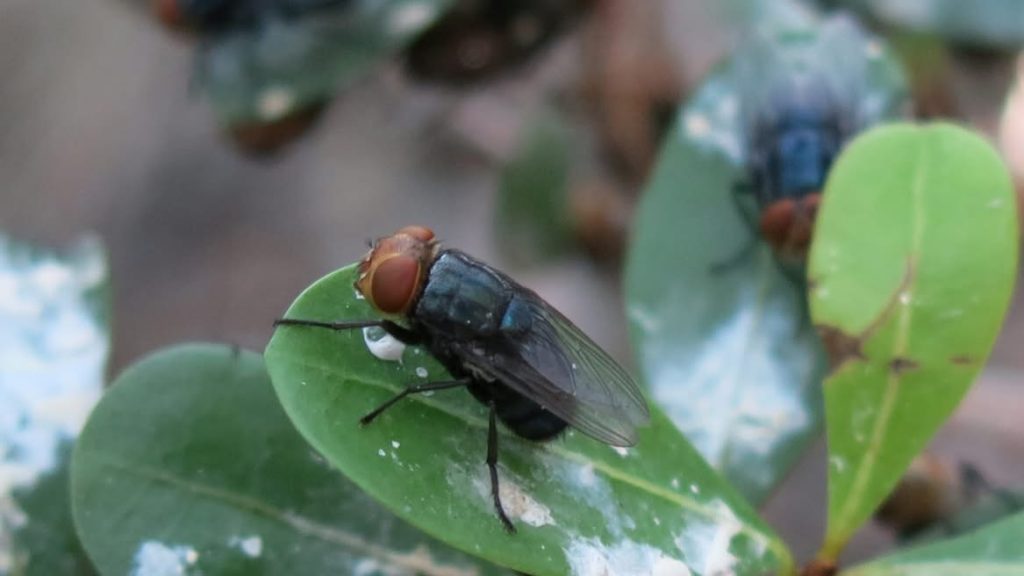
New World screwworm is a parasitic fly whose larvae burrow into open wounds on mammals and can cause serious, sometimes fatal infections if not treated quickly. The site walks residents and livestock owners through what to look for and what immediate steps to take, because early detection changes outcomes. Officials are emphasizing both animal welfare and public health as they roll out the resource.
Animals are the usual victims, with livestock and wildlife most at risk, but pets and people can be affected when wounds are exposed to the flies. Larvae feed on living tissue, causing intense tissue destruction and secondary infections that complicate treatment. Veterinarians and emergency clinics are being reminded to consider screwworm in wound cases that worsen quickly or do not respond to routine care.
The website gives clear signs to watch for: animals with foul-smelling, draining wounds, an increase in irritation or restlessness, and visible maggots in injured areas. It also explains that not all wounds will show obvious larvae right away, so new or worsening wounds deserve prompt inspection by a trained professional. The guidance stresses that good wound care and rapid veterinary attention are the best defenses.
For ranchers and pet owners, prevention tips on the site are practical and direct — keep animals healthy, monitor closely after birthing or injuries, and practice strict biosecurity when moving animals between properties. The resource encourages routine wound checks and immediate isolation of suspected animals to limit spread. It also highlights cooperation with local veterinarians and animal health officials as essential to containment.
Reporting suspected cases is a central feature of the new portal: users are shown how to document wound location, animal type, and recent travel or movements that might affect exposure risk. Officials say accurate, timely reporting helps them map possible outbreaks and coordinate response teams to inspect and treat affected animals. The site provides contact points and instructions so that reports reach the right state personnel quickly.
The Department of Agriculture framed the site as a hub for both practical advice and official information about response protocols and containment strategies. That includes guidance for first responders, livestock owners, and wildlife managers on how to handle suspected infestations without making the situation worse. Coordination with local veterinary clinics and wildlife officials is a recurring theme throughout the material.
Public health officials remind residents that while human cases are rarer, they are serious and require immediate medical care; anyone with an unexplained wound that worsens despite basic treatment should seek professional attention. The site explains basic self-protection steps when caring for animals or inspecting wounds, like wearing gloves and avoiding direct contact with visible larvae. Clear instructions reduce risk and help professionals act efficiently when cases arise.
Ranchers will find practical checklists for routine inspections and steps to take when a wound is discovered, while pet owners get straightforward instructions on when to call a veterinarian. The portal also points to regional resources and contact lines for state animal health staff, helping connect people fast to the right experts. Quick action and good communication are the twin messages driving the campaign.
This effort follows broader efforts to keep New Mexico’s livestock industry and rural communities protected from emerging animal health threats, and the website aims to make accurate information easy to find and act on. The Department of Agriculture’s move is meant to lower barriers to reporting and to get treatments started faster, which saves animals, reduces costs for owners, and limits the chance of spread. Staying vigilant and informed is the practical takeaway the state wants residents to adopt now.