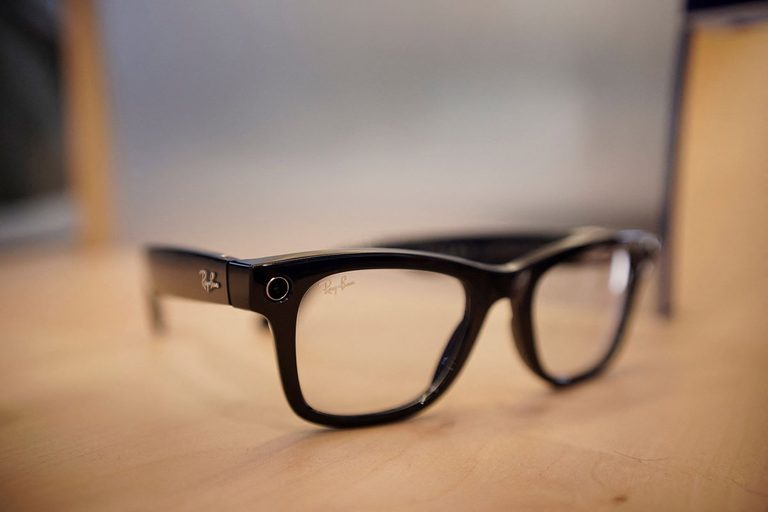
Major tech companies, including Meta and Amazon, are developing new types of wearable gadgets that can “see” or “hear.” These devices, such as smart glasses and wristbands, can give AI assistants instantaneous access to a user’s life, allowing them to provide tailored advice and assistance.
Privacy Concerns
However, experts warn that these devices pose significant risks to privacy, as they can be discreetly worn and record conversations without consent. Irina Raicu, director of the internet ethics program at Santa Clara University’s Marukkula Center for Applied Ethics, notes that “the whole notion of consent is kind of disintegrating” with the use of these devices.
For example, Meta’s AI glasses have been used by some individuals to film and post videos of others without their consent, leading to harsh criticism from some, including pop singer Lorde. In response, Meta has taken steps to address these concerns, including taking down such videos from Instagram and implementing a capture LED light on the glasses that blinks bright white when a photo or video is being taken.
Other companies, such as Amazon, are also developing AI-enabled devices, including the Amazon Bee Pioneer wristband, which can listen and offer advice. While these devices may be helpful in certain situations, they also raise concerns about the potential for misuse and the impact on personal relationships.
Impact on Society
The development and use of these AI devices have significant implications for society, including the potential erosion of privacy and the blurring of lines between public and private spaces. As tech leaders continue to push the boundaries of what is possible with AI, it is essential to consider the potential consequences and ensure that these devices are designed and used in ways that respect individual rights and freedoms.
Original reporting: KTVZ (Central Oregon) — read the source article.