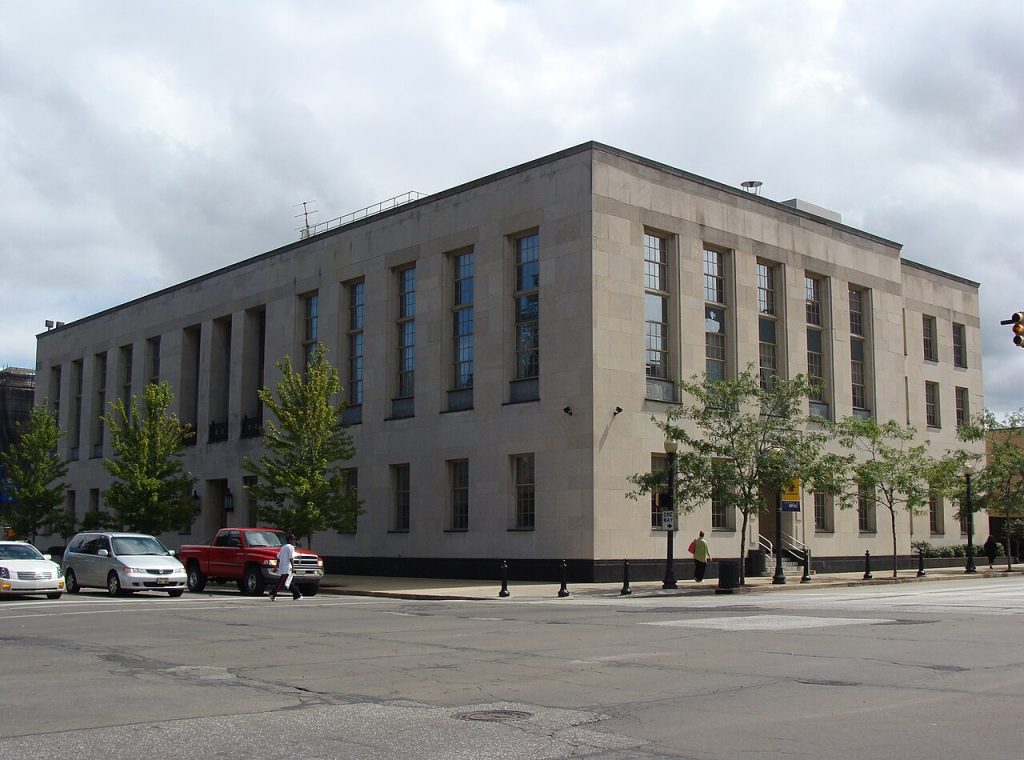
There are museums that display artifacts behind glass, and then there are places that pull you directly into a living, breathing story. The Erie Labor History Museum, tucked into the heart of Erie’s west side near the old industrial corridor, is firmly in that second category. If you have ever wondered how the working men and women of a mid-sized American city shaped the nation’s labor movement, this is the place that answers that question with power and clarity.
Walking through the front door, you are immediately struck by the visual weight of the collection. Vintage union banners in deep reds and golds hang from the ceiling, hand-stitched by workers who understood that solidarity was not just a word but a way of life. Photographs line the walls showing Erie factory floors, picket lines, and proud union halls from the late 1800s through the twentieth century. These are not stock images — these are Erie families, Erie faces, Erie hands.
What makes this museum genuinely special is its hyper-local focus combined with its national significance. Erie was, for much of the twentieth century, a manufacturing powerhouse. General Electric, Hammermill Paper, and dozens of smaller shops employed tens of thousands of workers, and the unions that organized those workers helped write the American labor playbook. The exhibits here trace that arc with meticulous care, connecting the struggles of Erie’s workers to landmark moments like the New Deal, the post-war economic boom, and the painful deindustrialization of the 1970s and 80s.
The museum does not shy away from complexity. There are exhibits that examine both the triumphs and the internal tensions of the labor movement, making the whole experience feel honest and intellectually serious rather than one-note. Interactive displays let younger visitors understand what a factory shift actually felt like, and oral history recordings from retired workers add an intimate, human dimension that no textbook can replicate.
Plan to spend at least ninety minutes here, though two hours passes easily. The staff — many of them longtime labor advocates themselves — are remarkably knowledgeable and genuinely happy to answer questions or point you toward deeper reading. Admission is very affordable, and the museum periodically hosts special programming tied to labor heritage events and community forums.
The surrounding neighborhood gives the visit an added layer of authenticity. You are not in a sanitized tourist district; you are in the working-class Erie that the museum celebrates. Grab a meal at one of the nearby diners before or after and you will feel the continuity between the history on those walls and the community still living it today.
Erie has no shortage of waterfront scenery and outdoor adventure, but the Labor History Museum offers something rarer: a chance to understand the soul of the city. Come curious, leave with a deeper appreciation for what it means when ordinary people decide that enough is enough — and do something about it.