NEPAL – The Disaster Management Authority is closely watching two high‑altitude lakes that have formed upstream of the flood‑prone valley where hundreds lost their lives earlier this week. The agency warned that flood risk will continue until both lakes completely drain.
Lake overflow triggers renewed alerts
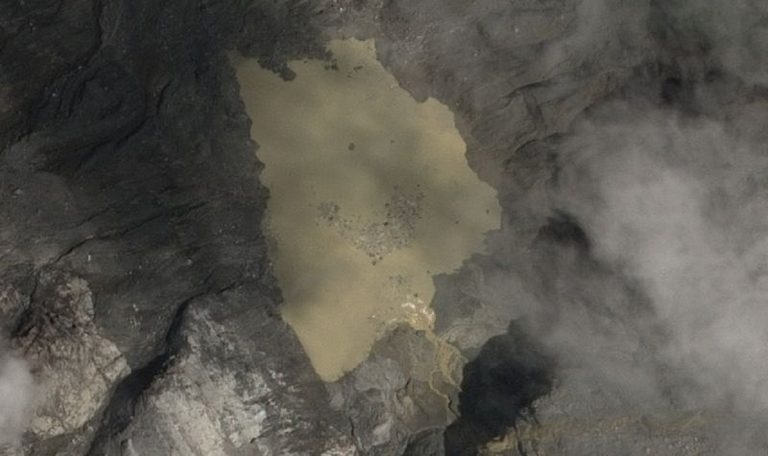
One of the lakes began overflowing on Friday, sending brown‑colored water down a basin that feeds the river system. Satellite images captured the expanding water body, and a Chinese rescue team recorded aerial footage of the lake on Thursday. By Friday, the first lake was draining, but a second, larger lake upstream showed no visible outlet, suggesting that water pressure could still be building.
Authorities say the surge on Wednesday was caused by a glacier collapse that hurled rock, ice, mud and debris into the rivers, creating a sudden wave that leveled homes and swept away bridges. The disaster highlighted the vulnerability of communities living downstream of the Himalayas’ rapidly changing glacial landscape.
Monitoring tools and future plans
Because satellite passes are limited, the Nepalese government is supplementing remote sensing with on‑the‑ground equipment. Plans are under way to install cameras and water‑level sensors downstream, including near the border town of Timure. The authority is also evaluating the use of helicopters to deploy additional monitoring devices in hard‑to‑reach areas.
“We are using every tool available to track the situation,” the official said. “Until the lakes are fully drained, we must remain vigilant and keep the public informed.”
Local residents have been urged to stay alert for further warnings and to avoid low‑lying areas that could be affected by sudden water releases. The Disaster Management Authority continues to coordinate with neighboring countries and international partners to share data and improve early‑warning capabilities.
What’s next?
Experts stress that climate‑induced glacial melt and unstable mountain terrain could produce similar lakes in the future. Strengthening monitoring infrastructure and improving community preparedness are seen as essential steps to reduce the impact of such natural hazards.
Original reporting: Appleton, WI News Feed (HLL/CB) — read the source article.