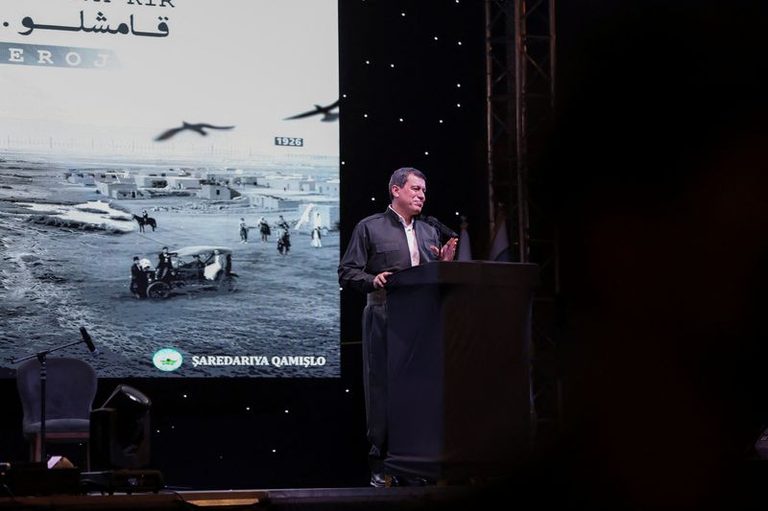
On Friday, Syrian President Ahmed al‑Sharaa issued a decree naming Mazloum Abdi, the former commander of the Kurdish‑led Syrian Democratic Forces (SDF), as a presidential adviser. The appointment marks a significant step toward the integration of the dissolved SDF into the Syrian state apparatus.
Background on the SDF and its dissolution
For more than a decade, the SDF, under Abdi’s leadership, fought alongside the United States against Islamic State and seized large swaths of northern and eastern Syria. The group also established semi‑autonomous governing structures that emphasized gender equality, co‑chairing institutions with both men and women.
In late 2024, former President Bashar al‑Assad was ousted by a rebel coalition led by Sharaa. The new Islamist‑led authorities demanded that SDF‑controlled territories and institutions be fully integrated into the central government. After a stalled year‑long negotiation, a rapid government offensive in January forced the SDF to agree to a merger plan.
Abdi’s new role and the integration process
Following the January offensive, Abdi announced the formal dissolution of the SDF, describing it as the start of a “new phase of peace and participation in the construction of the new Syria.” His advisory appointment was announced in a presidential decree, though it is not yet clear whether the role will be largely ceremonial or involve substantive policy input.
Under the integration agreement, former SDF fighters are being absorbed into Syria’s Defence Ministry, including senior figures who previously criticized the ruling administration. The fate of the SDF’s female combatants remains unresolved, as the Syrian armed forces have historically fielded no women troops.
Regional reactions
Turkey, a close ally of President Sharaa, welcomed the dissolution of the SDF, reiterating its long‑standing accusation that the group maintained links to the outlawed Kurdistan Workers’ Party (PKK). Meanwhile, other regional actors are watching the development closely, noting its potential impact on the balance of power in the war‑torn country.
In a related development, Kurdish commander Sipan Hamo, who had previously called for Israeli airstrikes against Syrian troops, was appointed deputy defence minister after the integration deal was announced.
Implications for Syria’s future
The appointment of a former SDF leader to a senior advisory position suggests a pragmatic shift by the Sharaa administration toward national reconciliation. By bringing former adversaries into the government, the administration hopes to solidify control over formerly contested regions and present a united front against external threats.
Observers note that the success of this integration will depend on how effectively former SDF members are incorporated into the military and civil structures, and whether the promised “peace and participation” will translate into tangible improvements for ordinary Syrians.
Original reporting: Appleton, WI News Feed (HLL/CB) — read the source article.