Morning Editor Jeremy Ratliff brings the website edition of his Morning Briefing to readers, laying out the key local headlines and practical things you need to know right now. This piece walks through what readers can expect each morning, from breaking reports to neighborhood-level updates and quick context for the day ahead. If you rely on a sharp, readable daily digest to cut through the clutter, this is that guide, delivered with a clear local focus and an eye for what matters most today.
Jeremy Ratliff opens each day with a simple goal: give people the essential local news without the fluff. The Morning Briefing collects short, punchy updates so you can get a snapshot of what’s happening in town before your first cup of coffee. It’s meant to be fast, useful and reflective of the community’s priorities, whether that’s an unexpected road closure or a school board vote that will affect families.
The briefing balances breaking items with follow-ups on stories that matter. Expect a few lines on developments in local government, notes on public safety, and what city services residents should watch for. Jeremy makes space for context, too, so a short item might include what changed and why readers should care.
Traffic and transit details are a staple in this newsletter because they shape everyone’s morning. Jeremy calls out major delays, construction detours and public transit alerts that could shift commutes. Those practical pointers are short but targeted, aimed at saving readers time and preventing frustration.
Public meetings and decisions get a straightforward treatment in the Morning Briefing. When city council or a zoning board votes on something important, Jeremy breaks down the what, who and when in a way that’s easy to follow. You’ll find quick takeaways about how a vote could affect neighborhoods, property owners and local services.
Schools and education coverage stays practical and neighborhood-focused. The briefing flags schedule changes, school board motions and local campus news that matters to parents and educators. Jeremy keeps these entries direct so families can act quickly, from signing up for meetings to responding to policy changes that affect students.
Local business and community events make regular appearances in the digest. New storefront openings, weekend markets and quick profiles of entrepreneurs nearby give the briefing a sense of place and momentum. These items are short, upbeat and aimed at getting readers out the door or supporting neighborhood commerce.
Public safety and health updates are presented plainly, without sensationalism. If there’s an advisory from the county health department or a neighborhood alert from the sheriff’s office, Jeremy summarizes what happened and what residents should do. The goal is straightforward: keep people informed and prepared, not alarmed.
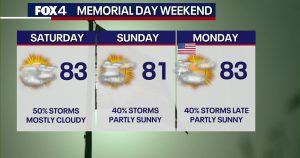
Weather and outdoor planning show up as concise, action-oriented notes so readers aren’t surprised by sudden storms or heat advisories. Jeremy highlights any forecast-driven advice—like shifting outdoor plans or staying hydrated during a heat spell—in a few clear lines. Those quick heads-ups let people plan their mornings and weekends with less guesswork.
The Morning Briefing wraps community tips, deadlines and small but useful items into a final set of quick hits. From permit deadlines to volunteer opportunities and local resources, these short entries give readers concrete next steps. Jeremy keeps the flow brisk: each snippet is designed to be read, understood and acted on fast.