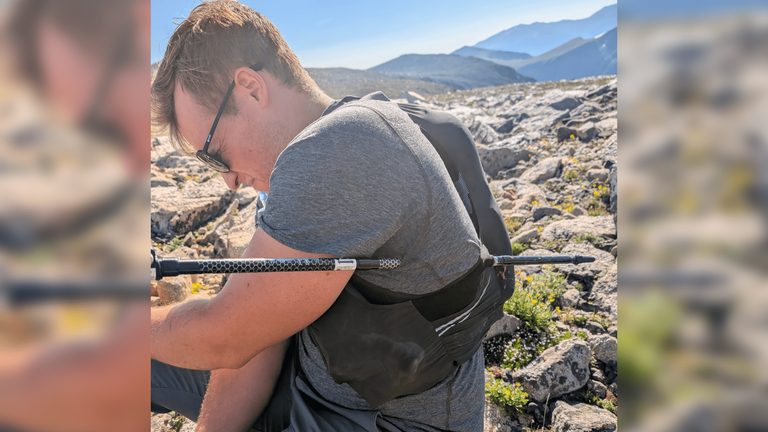
David Cifaldi, a 32-year-old nurse from Billings, Montana, was hiking with his friends on Montana’s Froze-to-Death Plateau when he slipped and impaled himself on his trekking pole. The 44-inch steel-tipped pole passed through the flesh beneath Cifaldi’s left arm, missing any vital organs, and protruded from his back.
Self-Rescue Decision
Cifaldi, who works in wound care at a hospital in Billings, did a self-assessment and decided to hike out to get help, rather than calling for a helicopter rescue, which can cost over $20,000. He was alert, had little pain or blood, and the pole wasn’t moving. The group used a satellite-based communication device to contact local authorities and inform them of their plan to self-rescue.
They carefully descended from the plateau along an unmarked route, navigating through boulders and snowfields before bushwhacking their way to an established trail. After more than six hours and traveling about 10 miles, the group reached a trailhead where one of them, Cifaldi’s friend Jesse Ross, had parked a vehicle.
Rescue and Recovery
Stillwater County Search and Rescue team commander Ty Williams monitored the group’s progress via a dispatcher who took calls from the group. The first call came in at 9:44 a.m. on July 20, right after Cifaldi impaled himself. At 1:30 p.m. the trio said they were getting closer to the trailhead and to let the nearest hospital know they were coming.
When they arrived at the nearest clinic, they were told Cifaldi needed more advanced treatment in Billings. So they got back in Ross’ truck and kept driving to the hospital where he works, St. Vincent Regional Hospital. Doctors removed the pole, bandaged him up, and Cifaldi was back at work this week.
Original reporting: Dallas TX News (HLL/CB) — read the source article.