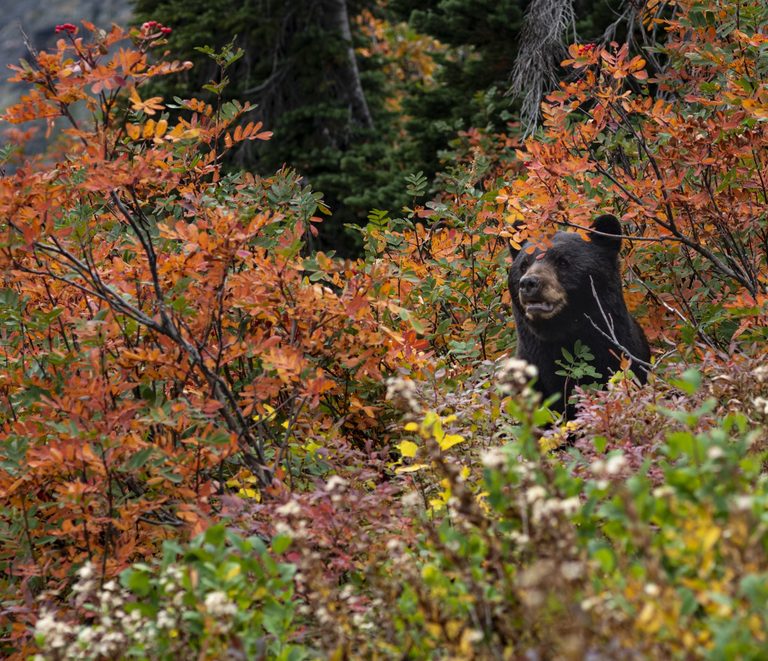
The Minnesota Department of Natural Resources (DNR) has released new data that underscores the reality of bear hunting in the North Star State. According to the agency’s recent social‑media post, roughly 75% of bears that survive to adulthood are eventually harvested by licensed hunters. This figure represents the leading cause of mortality for Minnesota’s black bear population.
Why the Numbers Matter
For families who enjoy the outdoors, hunting is a long‑standing tradition that teaches responsibility, self‑reliance, and respect for God‑given wildlife. The DNR’s statistics help hunters understand the impact of their activity and encourage them to follow state regulations that protect the species while allowing lawful harvests.
License Quotas Vary Across the State
In “lottery” areas, the DNR notifies successful applicants by August 1st and limits the number of bear licenses issued. In other regions, there is no quota, meaning any qualified hunter can purchase a license. The agency stresses that both systems are designed to balance conservation goals with the constitutional right of citizens to hunt responsibly.
What Hunters Should Know
- Follow the rules. All bear hunters must have a valid license and adhere to season dates set by the DNR.
- Practice ethical harvest. The DNR encourages hunters to aim for clean, humane shots and to respect the animal’s life.
- Report your harvest. Accurate reporting helps the agency monitor population trends and adjust management plans.
These practices support healthy bear populations and ensure that future generations can continue to experience the wilderness that God created.
Changing Bear Behavior
Recent observations suggest that bears are expanding their range farther south and west within Minnesota, likely in response to shifting food sources and climate patterns. While this movement can bring bears into closer contact with human communities, responsible hunting and proper wildlife management help keep both people and bears safe.
Community Perspective
Local hunters, many of whom are lifelong residents, view bear hunting as a vital part of family tradition and rural life. They appreciate the DNR’s transparency and welcome data that helps them make informed decisions. At the same time, the agency’s request not to shoot radio‑collared bears reflects a commitment to scientific research that benefits the entire ecosystem.
By understanding the statistics and respecting state guidelines, Minnesota’s hunting families can continue to honor their heritage, protect wildlife, and uphold the freedoms guaranteed by the Constitution.
Original reporting: News Talk 1340 KROC-AM – News and Talk – Rochester News Radio — read the source article.