Paint is more than a splash of color on a wall; it is a carefully engineered mixture of pigments and binders that protects and beautifies everything from a child’s drawing to a historic aircraft. While the basic idea is simple—mix a colorful substance with a material that holds it together—the details reveal a fascinating blend of science, tradition, and craftsmanship.
What Makes Paint Tick?
At its core, paint consists of two essential components. The first is the pigment, a finely ground substance that provides color. Pigments can be sourced from nature—minerals, plants, even insects—or they can be synthesized in laboratories to achieve hues that do not occur naturally. The second component is the binder, a liquid that adheres the pigment particles to a surface and allows the paint to spread evenly. Depending on the intended use, binders may be water, oil, or egg yolk in traditional recipes, or synthetic polymers in modern industrial formulations.
From Artist’s Studio to Factory Floor
Long before the industrial age, painters mixed pigments with natural binders to create their own paints. Today, both hobbyists and professionals can still craft custom colors, but most people purchase paint that has been produced in large factories. These facilities use massive grinding machines to blend pigments and binders into a uniform slurry, then add additives such as preservatives, drying agents, and flow modifiers. The result is a product that can be packaged in tubes, cans, or bulk containers and shipped worldwide.
Why Paint Varies So Much
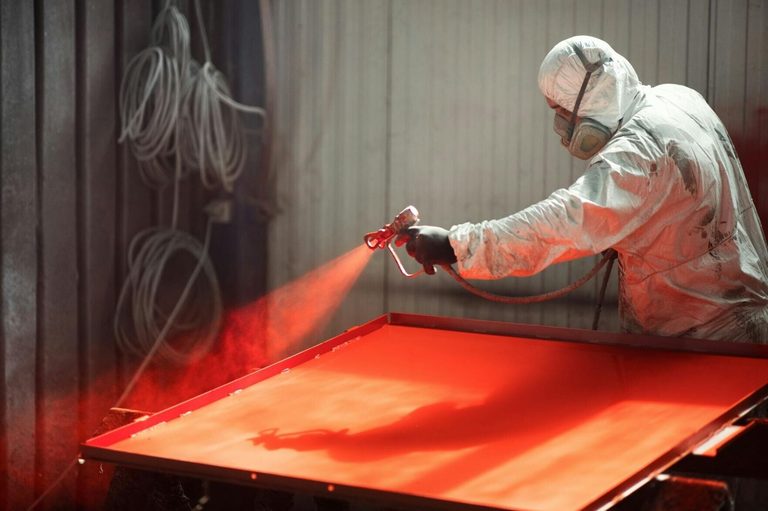
The intended application dictates the exact formulation. A house‑painting contractor needs a coating that resists weather, adheres to wood or siding, and dries quickly enough to keep a project on schedule. An artist may prefer a slow‑drying oil paint that allows for blending on the canvas. A marine coating must protect a boat’s hull from saltwater corrosion, while a thin, fast‑drying house paint can be used by a modern painter to finish a room in a single day. Factors such as surface temperature, humidity, and the need for a matte or glossy finish also influence the recipe.
Paint and Our Heritage
Beyond its practical uses, paint serves as a window into the past. Conservators at the Smithsonian’s Museum Conservation Institute study historic pigments to learn about trade routes, cultural exchange, and technological advances. For example, the bright colors in traditional Indian “pichwai” paintings contain pigments sourced from distant regions, revealing centuries‑old commercial connections.
Scientists employ microscopes, X‑ray, infrared, and ultraviolet imaging to identify the composition of historic paints. Recent research on an 1800s Alaskan Tlingit crest hat combined pigment analysis with 3D scanning, enabling tribal members to recreate the ceremonial piece accurately.
When Paint Is Used Unconventionally
Artists sometimes repurpose materials not originally designed for fine art. In the early 20th century, some sculptures were painted with laundry bluing—a blue pigment meant to brighten fabrics. In the 1950s, painters began using thin, quick‑drying house paints in their canvases. These unconventional uses can lead to unexpected behavior: thick layers of a paint meant for thin coats may wrinkle, and coatings designed for rough wood can lift from smooth surfaces. Understanding these reactions helps conservators preserve artworks and, when appropriate, restore them using techniques such as laser cleaning.
What Parents and Teachers Should Know
When selecting paint for children’s projects, safety is paramount. Modern paints intended for schools and homes are formulated to be low‑odor and free of harmful solvents. Parents should check product labels for certifications that confirm the paint meets safety standards for indoor use.
In short, paint is a versatile material that blends art, science, and industry. Whether you are mixing colors on a kitchen table, protecting a historic building, or preserving a priceless masterpiece, the same basic principles apply: pigments provide the hue, binders hold it together, and careful formulation ensures the paint performs as needed.
Original reporting: KTBS 3 (Shreveport) — read the source article.