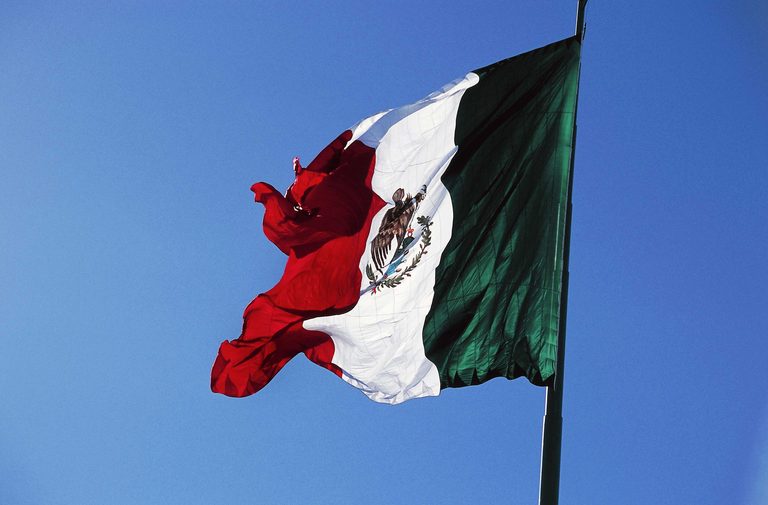
Mexico, like the United States, extends birthright citizenship to children born on its soil. This means that children born to parents who are illegal immigrants or have temporary legal status are automatically granted Mexican citizenship.
Background
The concept of birthright citizenship has been a topic of debate in the US, with President Donald Trump seeking to deny this right to children of parents who are living in the country illegally or have temporary legal status. However, Mexico’s policy is similar to that of the US, with around three dozen countries, mostly in the Americas, guaranteeing automatic citizenship to children born on their territory.
Vivianne Petit Frere, a Haitian migrant, has experienced the benefits of Mexico’s birthright citizenship policy firsthand. Her granddaughter, Alexca, was born in Mexico and automatically became a Mexican citizen. Petit Frere is grateful for the opportunities that this has provided for her granddaughter, including easier travel and access to education.
Implications
The implications of birthright citizenship are significant, with many countries struggling to balance the rights of citizens with the needs of migrants. In the US, the Supreme Court is expected to weigh in on the constitutionality of President Trump’s birthright citizenship order, which was signed in 2025.
In Mexico, the birthright citizenship policy has been a lifeline for many migrants, including Petit Frere and her family. With tens of thousands of Haitians living in Mexico, the policy has provided a sense of belonging and opportunity for those who have made the country their home.
Original reporting: WESH Orlando — read the source article.