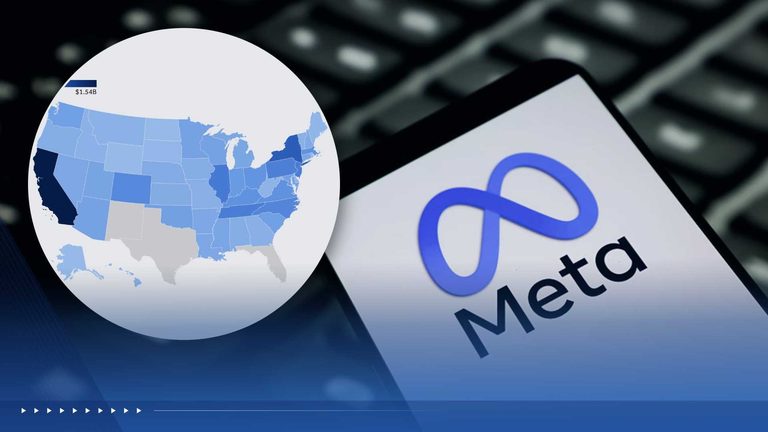
The Trump administration has confirmed that Meta will pay a minimum of $12 billion – potentially up to $17 billion – to states and territories as part of a settlement addressing teen social‑media addiction. The Get the Facts Data Team calculated that each jurisdiction is guaranteed a payment ranging from $1.1 million for American Samoa to $1.5 billion for California.
State payments and contingency funds
All 51 states and territories will receive a base amount, and many could earn additional contingency payments. Those extra funds, which could total more than $5 billion, depend on legal or legislative actions that force Meta’s rivals – Snap, TikTok and YouTube – to adopt comparable teen‑usage rules. If those companies comply, the settlement’s contingency pool will be triggered, providing further resources to the states.
New York, Illinois, New Jersey, Tennessee and Pennsylvania rank just behind California, each slated to receive at least $500 million. The payments are intended to help states fund programs that protect children, support families, and reinforce parental‑rights initiatives.
New teen‑use restrictions
Beyond the monetary component, the settlement imposes concrete changes on Meta’s platforms for users aged 13 to 17. By default, Facebook and Instagram must be unavailable between midnight and 6 a.m., and total daily usage across both apps is capped at two hours. Night‑time and school‑hour push notifications are also prohibited. An independent firm will verify age‑verification processes each year to ensure compliance.
Texas receives a separate $1 billion deal
While the national settlement covers every state, Texas has already secured an additional $1 billion settlement announced by Attorney General Ken Paxton. The Texas agreement, reached independently of the broader Meta deal, underscores the state’s commitment to protecting children from excessive screen time and reinforces the administration’s focus on parental‑rights and family values.
What the settlement means for families
For parents and faith‑based communities, the settlement represents a concrete step toward safeguarding children’s mental and spiritual health. By limiting late‑night scrolling and reducing overall screen exposure, families can better align their children’s online habits with Christian principles of stewardship and responsible use of technology.
State officials are expected to allocate the funds toward educational programs, counseling services, and parental‑education initiatives that reinforce the Constitution’s protection of parental rights. The settlement also signals a broader shift toward holding tech companies accountable for the impact of their platforms on youth.
Looking ahead
The Trump administration has praised the settlement as a victory for American families and a model for future tech‑industry accountability. As the payments are distributed and the usage caps take effect, states will monitor compliance and report any shortfalls. The settlement’s success will hinge on continued cooperation from Meta’s competitors and vigilant enforcement by state regulators.
Original reporting: Oklahoma City News Feed (HLL/CB) — read the source article.