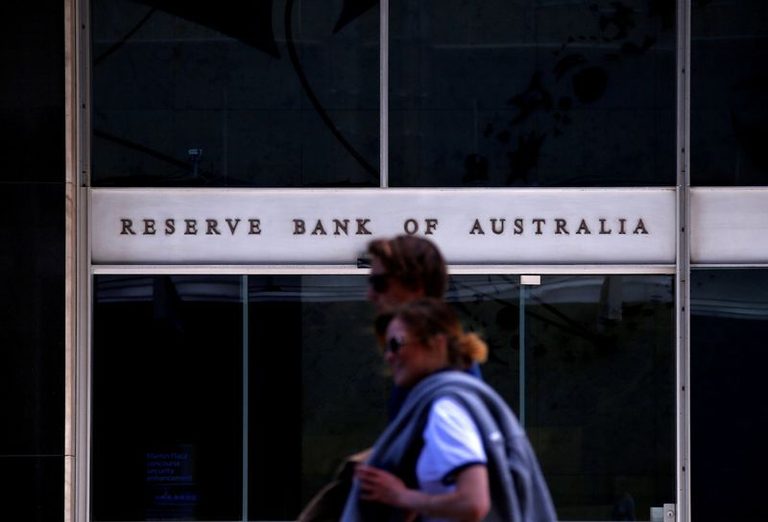
Three of Australia’s four major banks are signaling that the Reserve Bank of Australia (RBA) will likely increase its cash rate before the end of 2026. The Commonwealth Bank of Australia (CBA), National Australia Bank (NAB) and ANZ all forecast a November hike, citing the latest inflation figures that suggest price pressures remain elevated.
Bank forecasts and timing
National Australia Bank went a step further, projecting an imminent rise at the RBA’s policy meeting on September 29‑30. NAB’s analysts said the risk is tilted toward an additional hike in November if economic activity stays resilient.
CBA and ANZ, after reviewing July’s inflation data, now expect the RBA to lift the cash rate in November. Westpac, the fourth major lender, has not altered its stance and continues to anticipate that rates will remain on hold for the foreseeable future.
RBA’s recent stance
The RBA kept the cash rate steady at 4.35% for a second consecutive meeting this month, following three hikes earlier in the year aimed at taming inflation. Policymakers have warned that further tightening will be considered if inflation risks re‑emerge.
Market participants now see a 50 % probability that the RBA will raise the rate to 4.6% in September, up sharply from 17 % before the latest inflation data. Overall, a total tightening of 30 basis points is priced in by February 2027.
Analyst commentary
Belinda Allen, head of Australian economics at CBA, said, “While one monthly result needs to be interpreted cautiously, the renewed strength across a range of underlying and domestically influenced prices suggests the pace of disinflation has stalled.” She added that recent RBA communications point to an “upside surprise” in CPI that could prompt a November hike, with the risk of an earlier September move.
Implications for borrowers and savers
If the RBA follows the banks’ forecasts, borrowers with variable‑rate mortgages could see higher repayments later in the year, while savers may benefit from modestly higher interest earnings. The outlook also underscores the ongoing challenge for Australian households to manage living costs amid persistent inflation.
What’s next?
The RBA’s September meeting will be closely watched for any signs of a policy shift. Investors, businesses and consumers alike will be gauging whether the central bank decides to act sooner than November, or maintains its current stance while monitoring inflation trends.
For now, the consensus among Australia’s leading banks is clear: price pressures have not fully abated, and a further rate increase appears likely before the year ends.
Original reporting: Appleton, WI News Feed (HLL/CB) — read the source article.