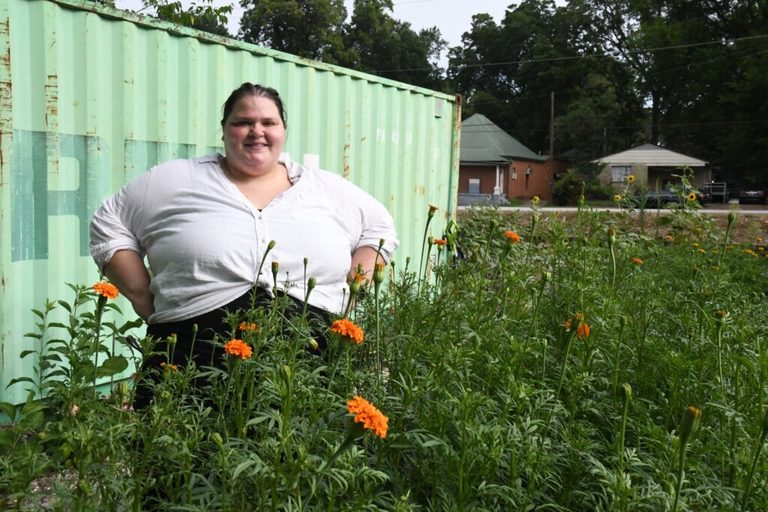
When Marisa Mender‑Franklin walks through any of the nine flower farms she now operates in Memphis, Tennessee, she first thinks of gratitude—for the bees, the blossoms, and the neighbors who made it possible. In 2020, while teaching and planning her wedding, she began planting every inch of the small yard in front of her rental home, hoping to design her own wedding flowers.
Without land of her own, the dream seemed out of reach. As an active member of a local Facebook Buy Nothing group, Mender‑Franklin had already seen strangers trade furniture, tools, and even a French horn within hours. She wondered if someone might share an unused garden space.
Neighbors answer the call
She posted a simple request: she wanted space to grow and sell flowers and would provide weekly bouquets to the landowner. Within five minutes her phone buzzed with dozens of replies. In the first week she received 40 offers of free garden plots.
By 2021 she had secured four plots. Group members began dropping off cardboard, vases, and even volunteering to weed and plant. The informal agreements soon became formal leases that spelled out boundaries, water costs, and responsibilities.
From hobby to full‑time business
Today Mender‑Franklin runs the Midtown Bramble and Bloom flower shop and oversees nine farm plots of varying sizes. The business employs ten staff members, held 57 workshops last year, and supplied arrangements for 44 weddings and large events. She also launched a “Flowers for Good” program that donates bouquets to schools, charities, and other local organizations, and maintains a free seed library for vegetables and native wildflowers.
Homeowner Karen Golightly, who offered one of the original plots, says the arrangement has created a stronger neighborhood. “The weekly bouquets are lovely, but the biggest benefit is that it created a community for me,” she explained. A garden walk now brings neighbors together, fostering connections that might never have formed otherwise.
Community land‑sharing inspires others
Mender‑Franklin notes similar land‑share arrangements exist in other cities. She cites Sarah Nixon, who from 2001 to 2021 grew flowers in Toronto neighbors’ yards, selling subscriptions and market stalls. Nixon began by leaving letters in mailboxes proposing a barter of garden upkeep for use of the space.
Both women demonstrate how informal, faith‑rooted community networks can translate into sustainable local enterprises. By turning underused lawns into productive flower beds, they provide aesthetic benefits, pollinator habitats, and a modest economic boost without requiring new development.
Practical steps for aspiring growers
For anyone in Memphis or elsewhere looking to start a similar venture, Mender‑Franklin recommends two online resources: the Buy Nothing network for local yard‑sharing offers, and matchmaking services such as Shared Earth and My Gardens Spot, which connect land seekers with willing owners.
“People like to help make dreams come true,” she said. “It’s that feeling of connection that we all really need.” The story underscores how a supportive community, combined with entrepreneurial spirit, can turn a simple garden plot into a thriving local business.
Original reporting: Alexandria, VA News – WTOP News — read the source article.