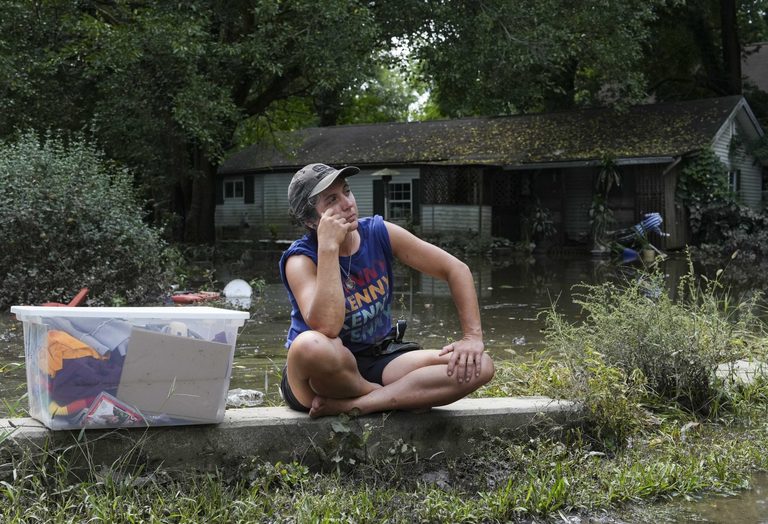
When the White River surged past historic levels on August 15, the Ravenswood neighborhood of east Indianapolis found its streets under more than 16 feet of water. Families who had prepared for only knee‑deep water were suddenly faced with chest‑deep inundation that destroyed flooring, walls and personal belongings.
Family impacts and immediate response
Gw Welsh and his family had taken steps they thought would be sufficient: they moved their son’s collectible toys and clothing to a friend’s house, and stacked furniture on bricks to keep it dry. The flood exceeded those expectations. “The flooring of our house is gone,” Welsh said, noting that the structure may not survive. He and his wife are now staying with a friend while their children are housed with Welsh’s mother in Kokomo.
Welsh spent the weekend canoeing through flooded streets, rescuing neighbors and pets that had been missed during the official evacuation. “It was completely surreal – a car underwater, a tree on a house, floating debris and even a nice guitar,” he recalled.
Community organization and volunteer effort
Ravenswood did not have an official Facebook page until the weekend after the flood. Residents Becca Panyard, Kat Stuart and Abbie Downes created the page to share resources and updates. “We wanted to make sure that the individuals that are in the greatest need get first access to those resources,” Stuart explained.
The trio organized a meeting on Monday afternoon in the parking lot of American Legion Post 34 on East 54th Street. A small group of neighbors gathered to discuss next steps, assign volunteers to high‑impact areas, and coordinate with local churches and charities.
Glendale Christian Church, located across from Riverwood Park, agreed to serve as the primary donation hub. Several dumpsters have been donated for residents to dispose of wet furniture and debris. Volunteers began cleanup on Tuesday, removing water‑logged items and assessing structural damage. In homes where drywall is saturated, removal will be necessary before rebuilding can begin.
Challenges faced by the most vulnerable
Older adults, disabled residents and those who do not use social media are experiencing slower recovery. Panyard noted that neighboring areas such as Rocky Ripple appear more organized, leaving Ravenswood’s most vulnerable populations at risk of being overlooked.
One longtime resident, Suze Stamm, was evacuated by canoe and learned that her insurance will not cover flood damage. She hopes FEMA assistance will be forthcoming. “I moved here in 1977. This is probably the fifth flood and the very worst flood of all time,” she said.
Calls for aid and ongoing needs
Welsh and other volunteers are urging the community to donate essentials such as water, home‑cooked meals, and box fans. “If you just give something simple to a person who’s had everything taken away, it matters a whole lot,” he said.
Local churches, shelters and relief organizations continue to provide food and temporary housing, but many homes remain inaccessible due to standing water and debris. Residents are encouraged to follow the Ravenswood Community Group Facebook page for the latest updates on volunteer opportunities and supply drives.
Looking ahead
As the water recedes, the focus shifts from immediate rescue to long‑term recovery. Homeowners await assessments from FEMA and insurance adjusters, while volunteers continue to clear debris and support those displaced. The experience underscores the importance of neighborly cooperation and faith‑based assistance in times of disaster.
Original reporting: Mirror Indy — read the source article.