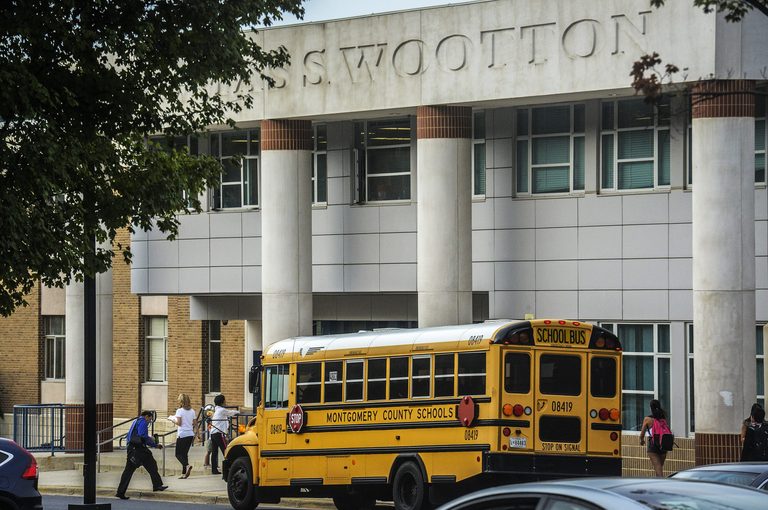
At a recent Montgomery County Board of Education meeting, district leaders revealed that Montgomery County Public Schools (MCPS) is confronting a $3 billion maintenance backlog. The figures come from the FY 2027 Maintenance Plan, which outlines the growing strain on the district’s physical plant as enrollment declines while the school footprint expands.
Scale of the problem
The plan notes that MCPS now operates more than 26.5 million gross square feet of school space across 196 to 211 active facilities, a rise of fifteen buildings over the past two decades. While the number of students has fallen, the aging infrastructure demands increasingly costly repairs. Even if the $3 billion backlog were eliminated, the district would still need roughly $560 million annually in capital funds just to keep essential systems—such as heating, ventilation, air‑conditioning (HVAC), plumbing, electrical, and roofing—functioning.
Beyond routine repairs
That $560 million estimate does not include the additional funding required to renovate, renew, or replace seven to eight schools each year. Current budget allocations fall short of covering both the routine maintenance and the larger capital projects needed to modernize facilities.
Impact on daily operations
Data from FY 2026 shows the practical effects of deferred maintenance. Work orders for HVAC, plumbing, and electrical issues made up 38 % of all work orders submitted county‑wide. Of the 76,093 total work orders that year, 62,077 (82 %) were completed within the fiscal year, indicating a heavy workload for maintenance crews.
Strategic response
The Maintenance Plan proposes a prioritization strategy that targets high‑risk operational issues first and establishes long‑term replacement schedules for critical assets. By focusing on the most urgent problems, the district hopes to mitigate safety concerns while planning for systematic upgrades.
Community and parental concerns
Parents and community members have expressed worry about the condition of school buildings, especially as older facilities age and utility costs rise. The plan’s language—”We face the dual responsibility of maintaining a larger, aging footprint with a contracting student body”—highlights the tension between fiscal realities and the desire to provide safe, modern learning environments.
Looking ahead
Board members will need to consider how to bridge the funding gap, whether through local tax measures, state aid, or reallocation of existing resources. The discussion underscores the broader challenge many suburban districts face: balancing expanding infrastructure needs with shrinking enrollment and limited budgets.
As MCPS works to address its maintenance backlog, the district’s approach will likely serve as a case study for other large school systems grappling with similar aging‑facility dilemmas.
Original reporting: Arlington County | FOX 5 DC — read the source article.