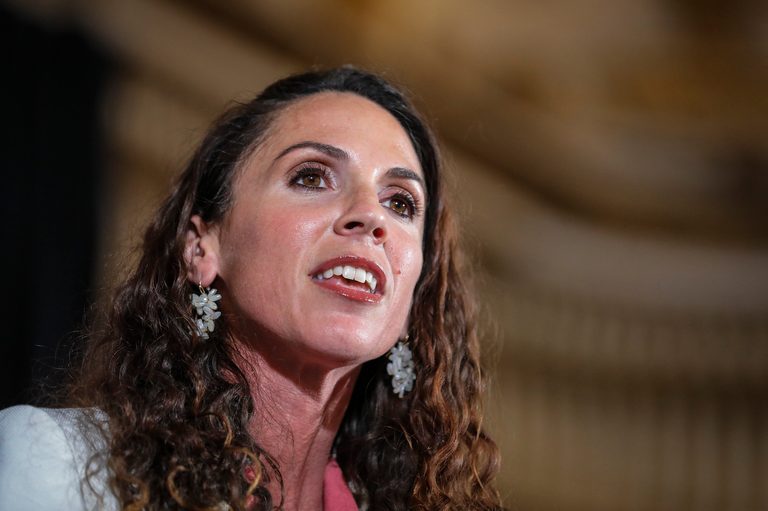
Boston — The Massachusetts Department of Unemployment Assistance (DUA) is under fire after a state audit released Monday highlighted lengthy phone‑hold periods and delayed first benefit payments for jobless residents. Auditor Diana DiZoglio warned that such delays hurt both workers and taxpayers, urging the agency to act quickly.
Audit findings show serious service gaps
The audit, covering July 2022 through June 2024, examined call‑log data from August 2024 to August 2025 because earlier logs had been deleted. It found that 52 % of callers waited more than 30 minutes for a live agent or automated prompt, and 24 % waited an hour or longer. Only 21 % received a response within five minutes. Call abandonment rates ranged from 5 % to 30 %, with an average wait of 34 minutes before callers hung up.
In addition, the DUA failed to meet any of the federal timeliness standards for intrastate claims during the audit period. The standards require at least 87 % of first benefit payments within 14 days and 93 % within 35 days. For interstate claims, the thresholds are 70 % and 78 % respectively. The agency met the 70 % interstate‑within‑14‑days benchmark in only one of 24 months and reached the 78 % 35‑day benchmark in 19 months.
Agency says improvements are already under way
DUA officials responded that a transition to a new processing system and a staffing increase have already begun to address the audit’s concerns. The department highlighted a pilot launched in August 2025 that closed the call center on Fridays, allowing staff to focus on claim processing. It also noted that call‑wait times have dropped dramatically, falling from more than two hours in January 2025 to between four and eleven minutes later in the year.
Regarding payment speed, the agency reported that in the summer and fall of 2025 more than half of claims were processed within 30 days, and by July 2026 that figure rose to nearly 70 %. Matthew Kitsos, spokesperson for the Executive Office of Labor and Workforce Development, said, “DUA is committed to improving customer experiences and ensuring eligible claimants receive benefits in a timely fashion.”
Auditor’s criticism and DUA’s defense
DiZoglio’s office criticized the lack of performance standards and oversight procedures for the call center, calling the oversight “mismanaged.” The audit also documented over 33,000 email exchanges between legislators and the DUA on behalf of constituents, underscoring the pressure on lawmakers to intervene.
DUA pushed back, attributing many performance challenges to an $11.8 million decline in federal funding during the audit period. The department also argued that the federal timeliness standards are outdated and do not reflect the complexity of processing unemployment claims in 2026.
What this means for Massachusetts workers
For families relying on unemployment insurance as a financial lifeline, the audit’s findings highlight the importance of efficient service. While the data show serious shortcomings, the agency’s recent staffing boosts and system upgrades suggest a turning point. Continued monitoring will be essential to ensure that the promised improvements translate into faster aid for hardworking Mainers.
State legislators and community leaders are watching closely, as timely unemployment benefits are a critical component of the state’s economic safety net. The audit’s recommendations, combined with DUA’s stated commitments, could help restore confidence in the system and protect both workers and taxpayers.
Original reporting: NBC10 Boston — read the source article.