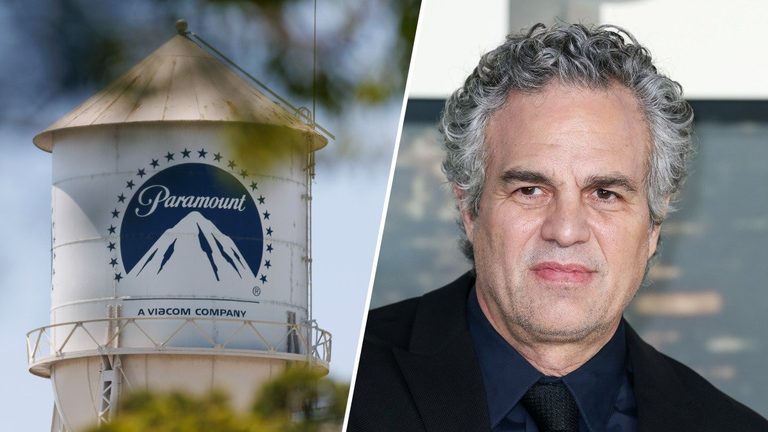
Hollywood actor Mark Ruffalo has publicly refuted Paramount Skydance’s charge that his recent remarks opposing the Paramount‑Warner Bros. merger were antisemitic. In a post on X, Ruffalo described the allegation as “appalling and fundamentally dishonest,” insisting his concerns focus on the corporate deal and its broader implications.
Background of the dispute
The controversy began when Ruffalo reshared a post from the Boycott, Divestment, and Sanctions (BDS) movement that highlighted comments made by Oracle executive vice chair Safra Catz. Catz had spoken about Oracle’s undisclosed assistance to the Israeli military following the Oct. 7, 2023 Hamas attack, referencing advanced technology supplied to the armed forces.
BDS captioned the clip, accusing Oracle of being “complicit in war crimes and crimes against humanity — including apartheid and genocide against Palestinians.” Ruffalo reposted the material on his Instagram story, directing criticism at Oracle co‑founder Larry Ellison, who financially backs his son David Ellison’s acquisition of Paramount Global through Skydance Media.
Ruffalo’s arguments
Ruffalo argued that the merger would concentrate an unprecedented amount of media power in the hands of a single family, giving them control over CNN, HBO and Warner Bros. He warned that such consolidation could lead to job losses, higher cable costs and reduced competition for the film industry. He also raised concerns about foreign money influencing editorial decisions, noting that the $111 billion deal would be partially funded by overseas investors.
“Scrutinizing the Ellisons, including Oracle’s business built on data, surveillance technology and government contracts, and the serious threat to editorial freedom and the loss of a livelihood for thousands of families, is fair and necessary,” Ruffalo wrote. He stressed that his criticism was not directed at Jewish people, but at the actions of the Israeli prime minister, a military‑technology contract, and the executives who profit from it.
Paramount’s response
Paramount issued a statement saying it was “troubled when antisemitic tropes are invoked in purported service of a business dispute.” The company argued that words such as “genocide” and “apartheid,” when applied to a corporate transaction, are inaccurate and cheapen the real suffering those terms describe. Paramount added that it does not tolerate prejudice of any kind.
The Simon Wiesenthal Center praised Paramount’s stance, stating the studio “refused to allow prejudice to masquerade as political or corporate criticism.” The Auschwitz Jewish Center Foundation’s president, Jack Simony, echoed the sentiment, noting the historic pattern of anti‑Jewish conspiracy theories in Hollywood.
Reactions from advocacy groups
The Anti‑Defamation League’s CEO, Jonathan Greenblatt, also criticized Ruffalo’s remarks, calling the language used in the BDS post inflammatory. Ruffalo, a long‑time critic of Israel’s military conduct in Gaza, has previously apologized for describing the conflict as genocide, acknowledging that such language can fuel antisemitism.
Despite the heated exchange, the merger remains on hold pending a federal judge’s review of an antitrust lawsuit filed by a coalition of state attorneys general. The case could extend into next June.
Broader context
Public opinion in the United States appears to be shifting. A recent Gallup poll showed more Americans sympathizing with Palestinians (41%) than with Israelis (36%) for the first time. The debate over the Paramount‑Warner Bros. deal highlights ongoing tensions between free‑speech advocacy, corporate consolidation, and concerns about foreign influence in American media.
Original reporting: Dallas TX News (HLL/CB) — read the source article.