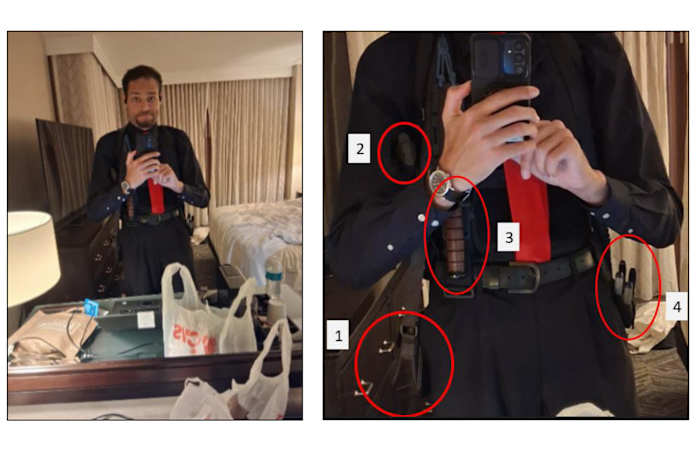
A California man has pleaded not guilty after authorities say he stormed the White House Correspondents’ Association dinner armed with guns and knives, attempted to kill President Donald Trump, and fired a shotgun at a Secret Service officer in Washington, D.C.
The defendant entered one of the most visible gatherings in the capital carrying deadly weapons, according to prosecutors. He now faces a slate of federal charges including attempted assassination and assaults on protective agents, and he has entered a not guilty plea as the legal process gets underway.
In plain terms, this was an attack aimed at the commander in chief and at the people sworn to protect him. The alleged use of a shotgun against a Secret Service officer elevates this from a security breach to a federal crime with potentially severe penalties.
Republicans and conservatives will watch this case closely for how the system responds to an assault on presidential security. Calls for swift, strict enforcement are coming from those who view attacks on the presidency as attacks on the constitutional order and on public safety itself.
The Secret Service and other agencies are under pressure to explain how a man with guns and knives made it into a major event near the White House. Accountability matters, and Americans expect a full review of procedural gaps so similar incidents cannot be repeated.
At the same time, the courts must respect due process. The defendant has pleaded not guilty, and evidence will be presented in open court where jurors will weigh testimony from law enforcement and forensic experts about the alleged shooting and attempted assassination.
Prosecutors will try to show intent, weapons possession, and the sequence that led to the officer being shot at. Defense lawyers will parse chain of custody, motive, and whether proper police procedures were followed during the arrest and investigation.
Media coverage of the event will be intense, but the legal facts should drive outcomes more than headlines. This is a case that touches on national safety, the work of federal agents, and the resilience of public institutions when faced with violence.
For Republican readers, the case underscores the need to stand firm on law and order while protecting constitutional rights. Elected officials who value a secure presidency will likely push for clear answers and for penalties that reflect the gravity of trying to kill a president.
Court dates and filings will determine the next visible steps, and Washington will be watching each motion and testimony. Until then, the focus remains on preserving public safety, making sure the Secret Service has what it needs, and letting the justice system reach a fair verdict based on evidence.