Two lawsuits were filed this week in Los Angeles seeking the return of artwork taken from Jewish families during World War II. The cases come just months after California enacted a law expanding state‑resident claims and President Trump signed a federal update that removes the expiration date on Holocaust‑era art recovery.
Local plaintiffs target major museums
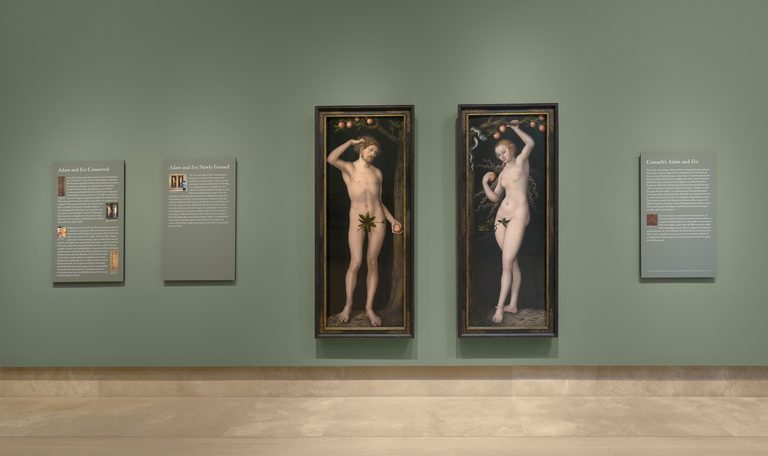
The Jewish Federation of Greater Los Angeles, represented by board chair Daniel Gryczman, sued the Norton Simon Museum in Pasadena for the return of the 1530 Lucas Carnach the Elder pair “Adam and Eve.” The federation says the paintings were seized from Dutch dealer Jacques Goudstikker’s collection by Hermann Göring and later sold to the museum in the 1960s.
In a separate federal filing, the daughters of Holocaust survivor and former animator Dinah Gottliebova Babbitt sued the Auschwitz Memorial for watercolors the artist was forced to create for Nazi physician Josef Mengele. The family argues the works belong to the victims’ heirs, not the museum.
New laws give heirs a stronger legal footing
California Assemblymember Jesse Gabriel (D‑Woodland Hills) authored Assembly Bill 2867, signed by Gov. Gavin Newsom in September 2024. The bill allows California residents and their heirs to pursue claims for art stolen during the Holocaust or other persecutions, even when the items now reside in foreign museums.
On the federal level, President Donald Trump signed the Holocaust Expropriated Art Recovery Act of 2025, which permanently eliminates the previous six‑year limitation for filing claims. According to Joel Greenberg, founder of the nonprofit Art Ashes, the law ensures “technical defenses will no longer stick in court” and guarantees that each case will be heard on its merits.
Museum responses and community impact
Both museums assert they hold clear title to the works. The Norton Simon Museum points to a 2018 federal ruling that affirmed its ownership of the Carnach paintings and notes the pieces have been on public view for nearly five decades.
The Auschwitz Memorial’s spokesperson, Pawel Sawicki, argues the watercolors are vital historical documents of Mengele’s crimes and should remain in the museum to preserve the memory of the victims.
Rabbi Noah Farkas, president and CEO of the Jewish Federation of Los Angeles, said any recovered proceeds will primarily support the roughly 2,500 Holocaust survivors living in the Los Angeles area, helping them “live out the last years of their lives in dignity, comfort and peace.”
Why the lawsuits matter for the community
These actions reflect a growing effort by Jewish families to reclaim cultural heritage while also providing tangible assistance to aging survivors. The legal fights also underscore the importance of recent legislative changes that empower victims and their descendants to seek justice, rather than leaving disputed artworks behind behind museum walls.
Local advocates see the lawsuits as a step toward righting historic wrongs and ensuring that the stories of European Jewry are not forgotten. As Assemblymember Gabriel put it, it is time for museums to “do some deep introspection on whether they want to be on the right side of history.”
Original reporting: Alexandria, VA News – WTOP News — read the source article.