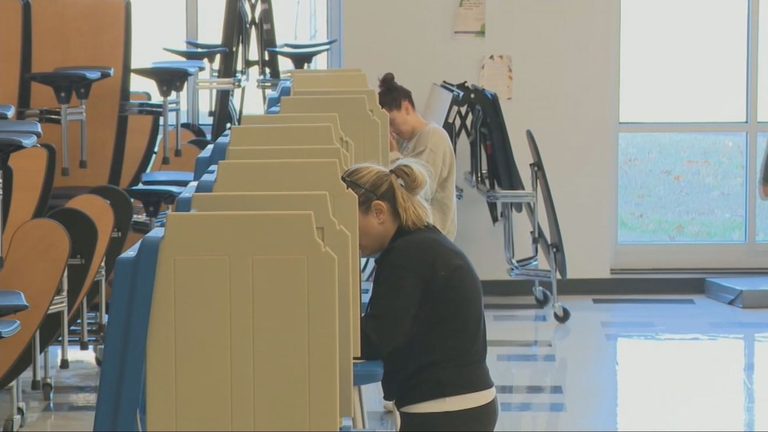
On Tuesday, November 3, 2026, polling locations throughout Southern New England saw unusually long lines as residents turned out in force for what many are calling a historic midterm election. Voters told NBC 10 that their turnout was driven by a deep‑seated need for change on a variety of local concerns.
Voter enthusiasm reflected in the numbers
One voter, counting the people ahead of her, remarked, “I was 398 and it’s not even 7:30 yet and I looked at the number and I was surprised like, wow I’m almost 400.” The sentiment captured a broader mood of urgency and hope among Rhode Island’s electorate.
Key issues motivating voters
Road conditions topped the list of concerns. Vinny Abbaticola, a resident of Cranston, said, “We need to spend a little more on the roads; Rhode Island has the worst roads in the country.” His call for increased infrastructure spending reflects a growing frustration with the state’s aging transportation network.
Senior‑citizen services also featured prominently. Community advocate Susan Sugarman explained, “I’m looking for senior citizen help for people who need it.” Sugarman’s remarks underscore the demand for expanded assistance programs for the state’s aging population.
Candidates promise to address voter concerns
Both parties’ candidates on the ballot have pledged to tackle these issues if elected. Democratic Congressman Seth Magaziner, who is seeking re‑election, warned, “It’s time for a change in Washington; this one‑party rule is not working, the costs are too high, and people are struggling.” Magaziner’s statement frames the election as a referendum on the current federal direction.
Republican challenger Vic Mellor countered, describing Rhode Island as “literally last in everything.” He added, “The only thing that’s gonna change that is getting out and voting.” Mellor’s message emphasizes voter participation as the primary tool for reversing perceived state‑wide shortcomings.
What’s at stake on the ballot
Rhode Island voters will decide on several high‑profile races, including Governor, Lieutenant Governor, and multiple legislative seats. While the headline races dominate conversation, down‑ballot contests will also shape policy on education, public safety, and economic development.
Election officials have reminded voters to bring proper identification and to check their polling locations ahead of time. Early‑voting sites remain open through the weekend, offering an alternative for those who cannot wait in line on Election Day.
Looking ahead
As the polls close, the long lines in Southern New England may serve as a visual reminder that Rhode Island’s electorate is eager for responsive leadership. Whether the outcome will bring the promised changes to roads, senior services, and broader governance remains to be seen, but the high turnout suggests that voters are ready to make their voices heard.
Original reporting: NBC 10 WJAR (Sinclair) – local — read the source article.