Gardeners in the Eugene area are being encouraged to add cover crops to their plots this season. While vegetables and fruits remain the primary focus, cover crops are the next most important addition for a thriving garden.
Why cover crops matter
Cover crops fix nitrogen, add fertility, improve soil tilth, reduce winter rain compaction, suppress weeds, and can even provide food through winter and spring. These benefits make them a win‑win for any garden.
Top choices for local growers
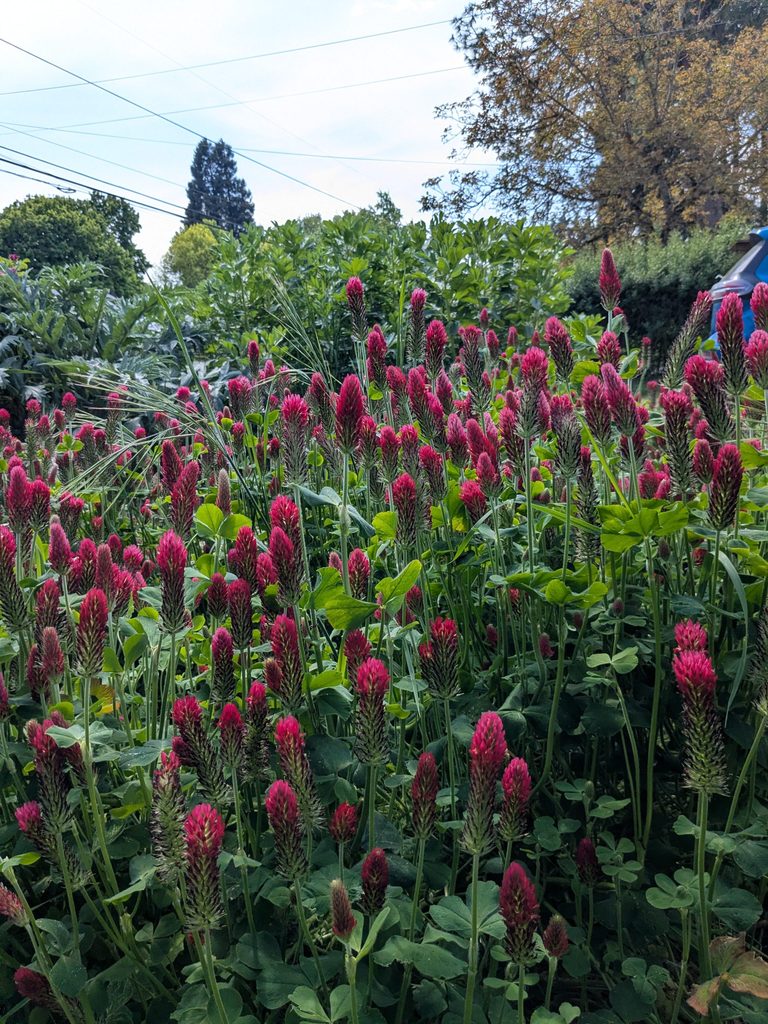
Crimson clover – Plant in the coming weeks; it will sprout slowly over winter and burst into a vivid, bee‑attracting bloom in February or March. After peak bloom, cut it with a string trimmer or mower and leave the material on the ground to decompose, creating a prefertilized bed for future crops.
Fava beans – Can be sown now through December. They fix nitrogen, add organic matter, and produce edible greens for winter salads. By April, the plants reach 4‑ to 6‑foot height and begin forming beans, which can be harvested from May until early June, sometimes extending into July. The Windsor Broad variety is recommended for eating.
When the beans finish producing, knock down the stalks and leave them on the ground. Push the dead stalks aside to create a weed‑free, nutrient‑rich area ready for corn, squash, tomatoes, or a winter garden.
Tips for successful planting
Cover crops may need a little watering if germination occurs during hot weather. Light weeding in early winter helps the crops establish uniform growth, though they often out‑compete weeds on their own. Avoid planting annual ryegrass, as it is difficult to remove later.
One additional benefit: cover crops can help dry the soil in spring, allowing gardeners to plant vegetables earlier than usual.
Getting started
Begin by selecting the cover crop that best fits your garden’s needs and timing. Plant crimson clover now for a spring bloom, or sow fava beans for a dual purpose of soil improvement and fresh greens. With minimal effort, these crops will enrich your soil, suppress weeds, and support pollinators throughout the season.
Original reporting: Homepage – Lookout Eugene-Springfield — read the source article.