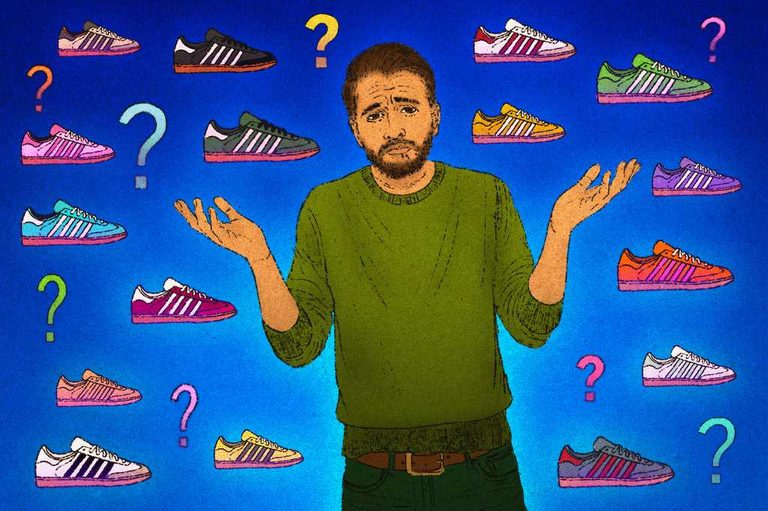
According to behavioral scientists, the increasing number of choices in modern life can lead to anxiety, indecisiveness, and decreased happiness. Barry Schwartz, an emeritus psychology professor at Swarthmore University, suggests that limiting daily choices can improve mental health. Schwartz’s research shows that having too many options can be overwhelming, leading to a phenomenon known as the paradox of choice.
The Paradox of Choice
Schwartz explains that when faced with too many options, people become paralyzed and are less likely to make a decision. This is evident in cases such as Medicare Part D prescription drug plans, where people in states with more choices were less likely to choose any of them. Similarly, when it comes to 401(k) investments, the more options a company had, the less likely employees were to sign up, even when the employer offered matching money.
Research has also shown that people are more likely to make a purchase when they have fewer options. For example, shoppers at a gourmet grocery store bought more jars of artisanal jam when they were presented with six flavors rather than 24. Additionally, students were more likely to complete an extra-credit assignment when they were given six topics to choose from instead of 30.
Simplifying Decision-Making
To minimize mental noise, Schwartz suggests limiting the number of choices and setting good-enough criteria for decisions. David Epstein, author of “Inside the Box: How Constraints Make Us Better,” has implemented this approach in his own life. Epstein limits his opportunities for making choices, such as buying 10 of the same well-fitting T-shirts in different colors.
Experts also recommend farming out some decisions, such as relying on a friend’s recommendation when buying a new phone or seeking professional expertise for larger decisions like financial planning. By simplifying decision-making, individuals can reduce anxiety and increase satisfaction with their choices.
Original reporting: Oklahoma City News Feed (HLL/CB) — read the source article.