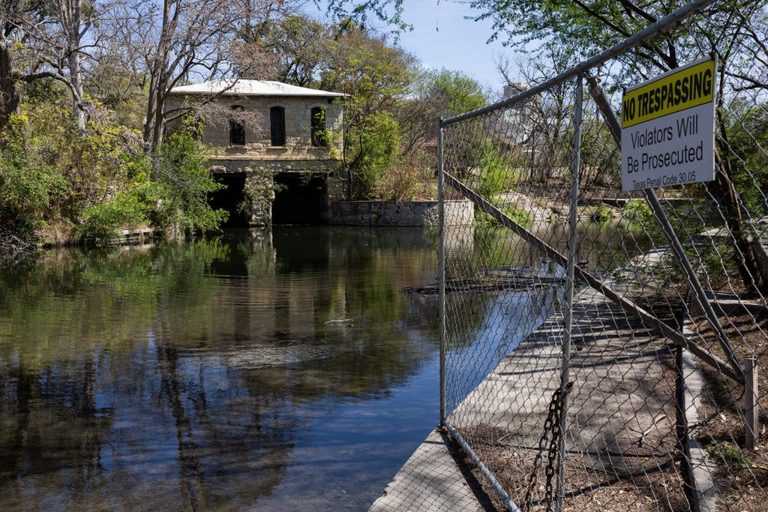
Brackenridge Park, a treasured San Antonio landmark, has been at the center of a contentious debate over the removal of trees along the river at Lambert Beach. The city’s plan to destroy 16 heritage and significant trees has sparked a lawsuit from the Lipan Native American Church, which claims that the removal of the trees and the deterrence of cormorants from nesting in the area violates their First Amendment rights.
Controversy and Litigation
The city has argued that the tree removal is necessary to repair the historic walls in place, citing federal historic preservation standards. However, the Lipan Native American Church asserts that the trees and birds are essential to their religious ceremonies and that the city’s plan would destroy a centuries-old sacred site. The lawsuit has been ongoing for three years, with the city largely prevailing in court, but with each decision being split.
A recent Fifth Circuit decision has raised questions about the city’s approach, with six judges joining a dissent that questioned the city’s application of the First Amendment standard to the Lipan Native American Church. The dissent asked whether the city would be as aggressive in removing a chapel on public land, highlighting concerns about the city’s treatment of indigenous faiths.
Permitting Process and Transparency
Separately, the city has been required to submit a Treatment Plan under the National Historic Preservation Act to obtain a permit from the U.S. Army Corps of Engineers. The plan has undergone several revisions, with the latest version suggesting that only six trees will be removed, and the remainder will be left in place. However, the city has not publicly explained the changes, raising questions about the city’s intent and transparency.
The controversy surrounding the Brackenridge Park project has sparked concerns about the city’s approach to historic preservation, indigenous rights, and transparency. As the city navigates the ongoing litigation and permitting process, it remains to be seen whether a resolution can be reached that balances the city’s goals with the concerns of the Lipan Native American Church and the community.
Original reporting: San Antonio Report — read the source article.