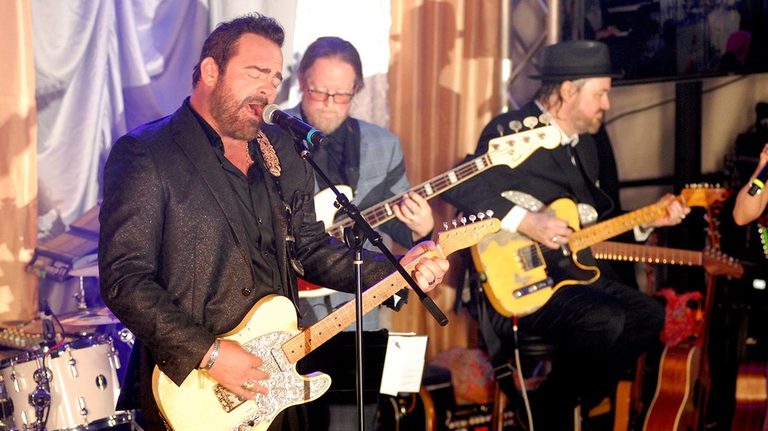
Former Clemson scholarship athlete and Grammy‑winning country singer Lee Brice used his recent appearance on the “Tomi Lahren is Fearless” program to voice growing concerns about the direction of college football. Brice, who grew up watching the sport’s emphasis on loyalty and community, said the current landscape – dominated by massive NIL (Name, Image, Likeness) contracts, a frenzied transfer portal, and even professional players attempting to re‑enter the college ranks – is eroding the core values that once defined the game.
Unbridled NIL spending and a “wild west” transfer market
Brice acknowledged that paying college athletes who generate millions for their universities makes sense, but he argued that the system lacks sufficient safeguards. “In the NFL you sign a contract and you can’t just leave,” he said. “In college you can get paid all that money and then just decide to go somewhere else.” The singer warned that this freedom, without clear commitment requirements, fails to teach young men the discipline and responsibility they will need later in life.
Professional players seeking a college comeback
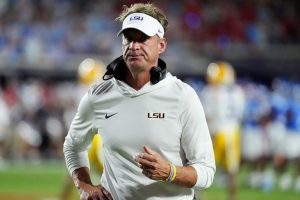
Another point of frustration for Brice is the recent trend of former NFL players trying to join college rosters. He cited the LSU Tigers’ brief flirtation with signing former pros as an example, noting that while the school ultimately backed away, the mere possibility gave coach Lane Kiffin a perceived advantage. “It’s not cool,” Brice said, shaking his head. He argued that allowing seasoned professionals to compete against true college‑age athletes creates an uneven playing field and further dilutes the amateur spirit of the sport.
Congressional action and the Save College Sports Act
Brice highlighted that the issue has risen to the national stage, with Congress debating the Save College Sports Act. The legislation seeks to impose clearer rules on NIL compensation and transfer eligibility, aiming to restore a sense of order to what Brice described as a “precipitously precarious” situation. He expressed hope that lawmakers will enact stronger guardrails, allowing fans to once again feel the passion that once made college football a unifying cultural event.
Impact on fans and the future of the game
For longtime supporters like Brice, the changes have made watching games less enjoyable. “It used to be all passion,” he said. “Now there’s just no devotion, and you lose the magic of what college football was.” He urged fans, administrators, and policymakers to consider the long‑term consequences of a system that prioritizes short‑term financial gain over tradition and character development.
What’s next?
While the debate continues, Brice’s comments add a high‑profile voice to a growing chorus of former players, coaches, and fans calling for reform. The next steps will likely involve further congressional hearings, possible NCAA rule revisions, and ongoing public discussion about how to balance athlete compensation with the preservation of college football’s historic values.
Original reporting: Fox News (HLL/CB) — read the source article.