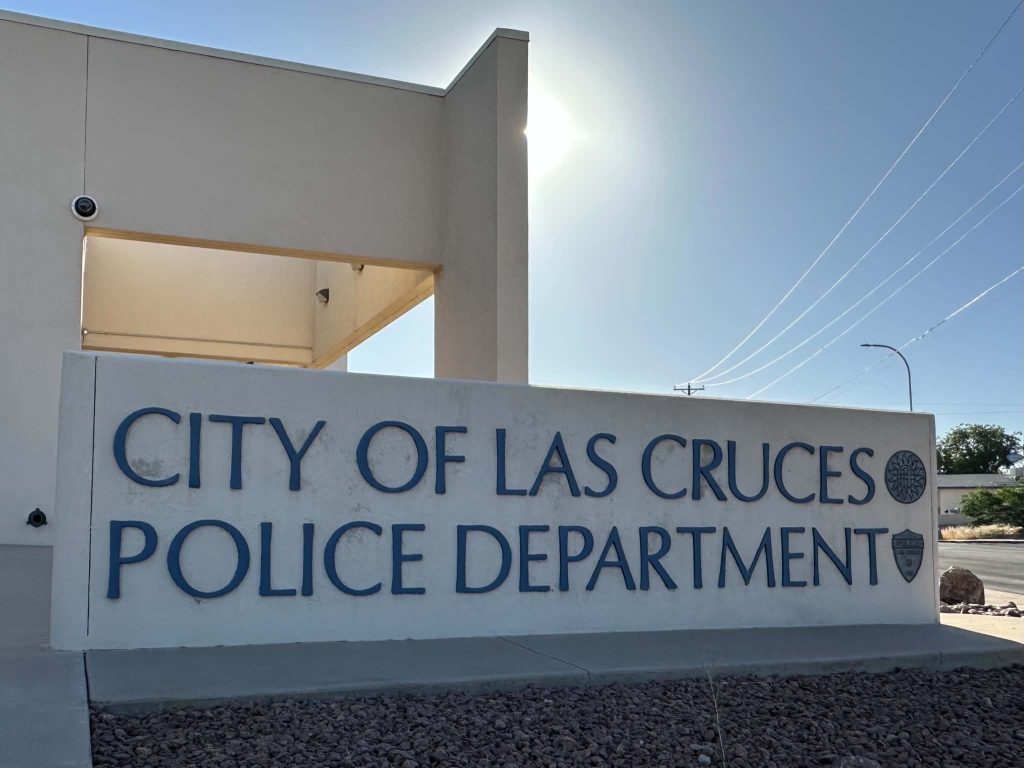
The Las Cruces Police Department rolled out a Trust Building Campaign aimed at closing the gap between officers and residents in Las Cruces, New Mexico. The effort leans on community feedback gathered through surveys and meetings, while also spotlighting officer wellbeing and trauma-informed training. LCPD says the push is meant to strengthen relationships and keep both officers and the public safer.
Residents are being invited to share their experiences and priorities through surveys and neighborhood gatherings. Those forums are meant to move beyond one-off conversations and into ongoing engagement so people feel heard and see follow-up. Officials are positioning these events as part of a culture shift rather than a single publicity moment.
At the same time, the department is looking inward at the stresses officers face on the job. LCPD highlighted wellness initiatives and supports meant to reduce burnout and improve decision making under pressure. The argument is simple: healthier officers make smarter, calmer choices in the community.
Training changes are also on the table, with a push toward trauma-informed response tactics that recognize how crises affect both victims and first responders. Those trainings teach officers to recognize signs of trauma and adjust their approach to de-escalate and connect people to services. This is presented as a safety measure for everyone involved, not just a policy checkbox.
Community trust is being framed as measurable, not vague. By using surveys and follow-up meetings, the department hopes to track shifts in public sentiment and identify problem spots. That data-driven angle should make it easier to show progress or pivot when tactics aren’t working.
Town halls and neighborhood events are being scheduled to create more face-to-face time between officers and residents. These gatherings are meant to humanize both sides and give everyday people a chance to raise specific concerns. LCPD also plans to use those meetings to explain policies and the practical constraints officers face.
LCPD leaders emphasize transparency about internal changes while insisting accountability stays in place. They say clear communication about procedures and outcomes will be part of the trust work. At the same time, they are careful to underline the need for officer safety when sharing operational details.
Peer support and mental health resources are being rolled into the officer wellness push so members of the force have accessible help after difficult calls. Those kinds of programs aim to make counseling and peer check-ins routine rather than rare. Normalizing mental health care is the stated goal to reduce stigma within the department.
Advocates and community groups are being asked to partner on outreach and resource navigation so people in crisis reach the right services quickly. The hope is that working together will reduce repeat police contacts for situations better served by social services. Partnerships are being touted as a practical way to free officers for urgent public-safety work.
Officials say they will continue to refine training and outreach based on what the community says in surveys and meetings. That feedback loop is essential to avoid one-size-fits-all fixes and to tailor responses to Las Cruces neighborhoods. The department’s approach aims to be flexible and responsive rather than set in stone.
Efforts to build trust also include preparing officers for complex calls involving trauma, mental health, and family crises. The training emphasizes de-escalation, empathy, and connecting people to follow-up care when needed. LCPD frames this as both humane policing and smart public safety.
There’s no single quick fix, and department leaders acknowledge that progress will take time and consistent follow-through. They are betting that steady engagement, transparent reporting, and investment in officer wellness will slowly rebuild confidence. The campaign is positioned as a long game to make policing in Las Cruces safer and more community-driven.