Lake Tahoe boat inspectors reported a significant haul this season, stopping ten watercraft that were transporting invasive golden mussels. The interceptions were announced during an end‑of‑boating‑season briefing held Wednesday by the Tahoe Regional Planning Agency (TRPA) and the Tahoe Resource Conservation District.
Inspection program and results
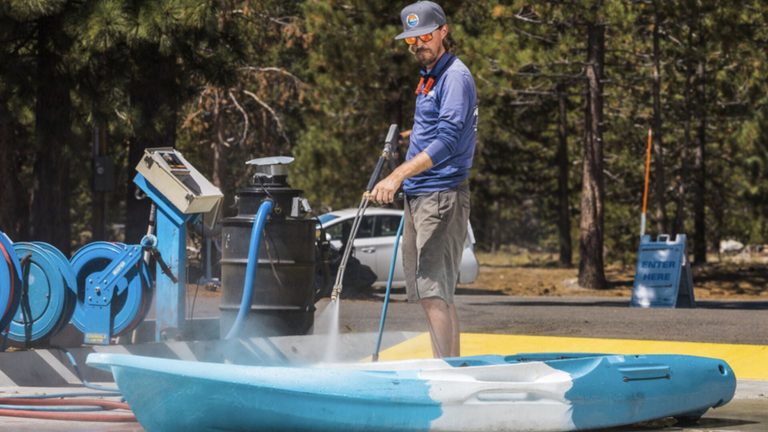
The Lake Tahoe Watercraft Inspection Program, a joint effort of TRPA and the Tahoe Resource Conservation District, conducts thorough checks of vessels entering the lake to keep aquatic invasive species at bay. Over the course of the season, inspectors examined roughly 5,200 watercraft, a figure that reflects the program’s continued vigilance.
In addition to the ten boats carrying golden mussels, inspectors identified 84 watercraft that were transporting a variety of other invasive organisms. Among those, 23 vessels were found with invasive quagga, zebra, or additional golden mussels.
Why golden mussels matter
Golden mussels are a fast‑spreading, hard‑shell bivalve that can clog water intake systems, damage infrastructure, and outcompete native species. Their presence in California waterways has been expanding from San Diego up to Sacramento, and officials warned that the trend could threaten Lake Tahoe’s pristine waters if not curbed.
“Thankfully, our team of trained inspectors is dedicated and meticulous,” said Chris Kilian, aquatic invasive species program manager at the Tahoe Resource Conservation District. Kilian emphasized that the increased number of interceptions was not unexpected, given the mussel’s continued spread throughout the state’s waterways.
Improving compliance among boaters
Encouragingly, nearly 70 % of visiting boats arrived clean, drained, and dry this season, up from about 60 % in previous years. This improvement suggests that outreach and education efforts are resonating with the boating community, helping to protect the lake’s delicate ecosystem.
Boaters are reminded to follow the “Clean, Drain, Dry” protocol before launching on Lake Tahoe. The protocol requires removing any water from boats, draining bilges, and allowing equipment to dry completely to eliminate any hidden organisms.
Looking ahead
TRPA and the Tahoe Resource Conservation District plan to maintain rigorous inspections and expand public‑awareness campaigns as the lake approaches the next boating season. Continued cooperation between agencies, local businesses, and recreational users will be essential to keep invasive species from establishing a foothold in the lake’s waters.
For more information on how to properly prepare your watercraft, boaters can visit the TRPA website or contact the Lake Tahoe Watercraft Inspection Program directly.
Original reporting: 2news.com — read the source article.