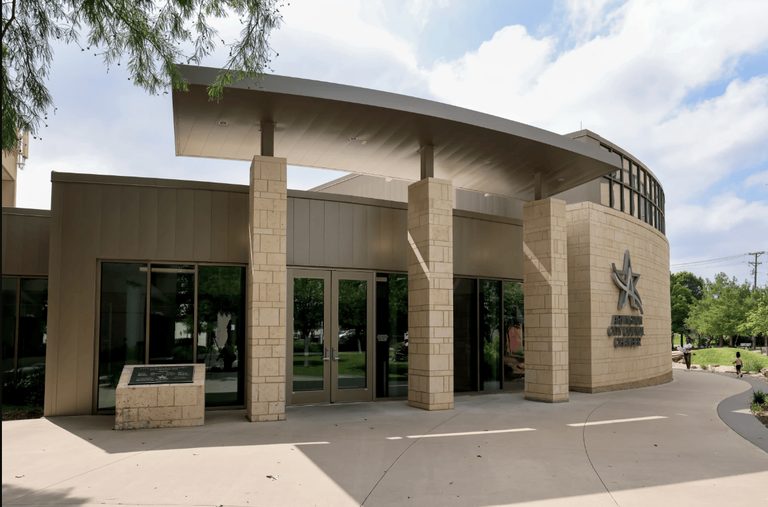
At its Tuesday meeting, the Arlington City Council examined a set of draft ordinances that would shape where and how data centers can be built within the city. The proposals, presented by land‑development assistant director Kenneth Bloom, outline zoning districts, building specifications, and operational standards for three types of data‑center facilities.
Types of facilities and proposed locations
Bloom explained that the city anticipates three primary data‑center models:
- Enterprise facilities – stand‑alone buildings operated by a single company to process internal data. These would require 5 to 10 acres and be limited to light‑industrial or industrial‑manufacturing zones, with a specific‑use permit. An example cited is D.R. Horton’s enterprise data center off Interstate 30 in north Arlington.
- Edge (equipment‑box) facilities – smaller units, often attached to or adjacent to larger structures, comparable to equipment boxes near cell towers. These would be restricted to a maximum footprint of 200 sq ft and a height of 12 ft, with no cooling‑system requirements.
- Co‑located (accessory) facilities – data‑center space integrated into multi‑tenant buildings, serving as an accessory to the primary use. These could be sited in any non‑residential zone but must be tied to the building’s main function.
Physical standards and environmental safeguards
All proposed data‑center types would be subject to uniform physical limits. Stand‑alone and enterprise facilities must be set at least 300 feet from any residence and cannot exceed 75 feet in building height. In addition, evaporative cooling would be prohibited for stand‑alone and accessory facilities, and outdoor diesel‑generated backup power would be barred for accessory designs. Battery energy storage systems would be permitted where size permits.
Noise regulations would apply to both enterprise and stand‑alone centers, requiring daytime and nighttime sound‑level testing before and after construction. These measures aim to safeguard the quality of life for nearby neighborhoods.
Council response and next steps
Councilmember Brittney Garcia‑Dumas emphasized the importance of locating data centers “as far away as possible” from homes. She voiced support for the noise‑modeling provisions, noting that protecting residents aligns with the city’s long‑term economic vision.
Bloom described the draft ordinances as a work in progress, noting that rapid technological change necessitates flexibility. He said the proposals draw on research and comparable regulations from other jurisdictions, tailored to Arlington’s limited land base.
The council will continue to review the drafts, consider public input, and refine the language before any formal adoption. If enacted, the rules would provide a clear framework for developers while preserving community standards.
Why it matters to Arlington families
By establishing clear zoning and environmental standards, Arlington aims to balance job‑creating technology investments with the safety, quiet, and health of its neighborhoods. The proposed regulations reflect a proactive approach to managing growth in a way that respects both economic opportunity and the well‑being of families who call the city home.
Original reporting: Fort Worth Report — read the source article.