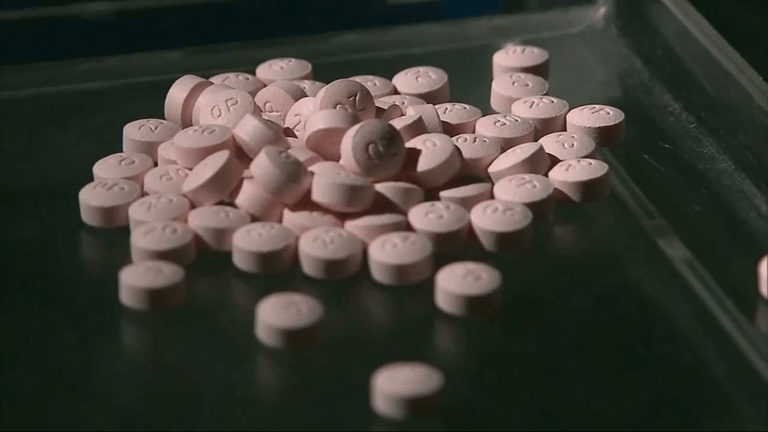
CHARLESTON, West Virginia — The Trump administration’s emphasis on community‑focused solutions is echoed in West Virginia as state and local officials prepare to decide how more than $1 billion in opioid litigation settlements will be spent.
Attorney General J.B. McCuskey announced that the West Virginia First Foundation, the nonprofit that has already begun distributing over $700 million from earlier settlements, will continue to receive the bulk of the funds. “The West Virginia First Foundation, which has already begun spending the more than $700 million it will receive from earlier settlements, now has the necessary resources to fulfill its important mission,” McCuskey said.
Local officials will control the final distribution
County commissioners and mayors across the state will be tasked with allocating the remaining settlement money. The plan aims to ensure that resources reach the neighborhoods and families most affected by the opioid crisis.
“We want to make sure that our friends and neighbors who are providing service for our loved ones across this state have the tools they need in the space of treatment and recovery and re‑entry,” said Jonathan Board, executive director of the West Virginia First Foundation. Board described the settlements as “blood money,” emphasizing the moral responsibility to turn those funds into life‑saving assistance.
Focus on prevention, treatment and recovery
According to the 2026 expenditure report, many counties have historically directed settlement money toward jail bills and law‑enforcement costs. Board highlighted a shift in strategy: “By the end of this year and in the next month or so, between the endowment that we’ve established and direct funding to the boots on the ground, we’ll have about $150 million back out focusing on prevention, treatment and recovery throughout the state of West Virginia.”
The upcoming decisions will prioritize programs that support individuals battling addiction, provide family counseling, and help former patients reintegrate into their communities. Local leaders are encouraged to collaborate with faith‑based groups, traditional families, and community organizations to maximize the impact of the funds.
Community response
Community advocates have praised the move, noting that directing settlement money to treatment rather than solely to law‑enforcement aligns with the values of personal liberty and family stability. “We applaud Attorney General McCuskey and his team and everyone who’s still battling in the opioid space,” Board added. He warned that the fight against opioid abuse will likely continue for years, underscoring the need for sustained investment.
As the allocation process unfolds, West Virginia officials urge residents to stay informed and participate in public hearings where the distribution plans will be discussed. The goal is a transparent, faith‑respecting approach that strengthens families and restores hope to those affected by addiction.
Original reporting: WCHS Eyewitness News Charleston (local) — read the source article.