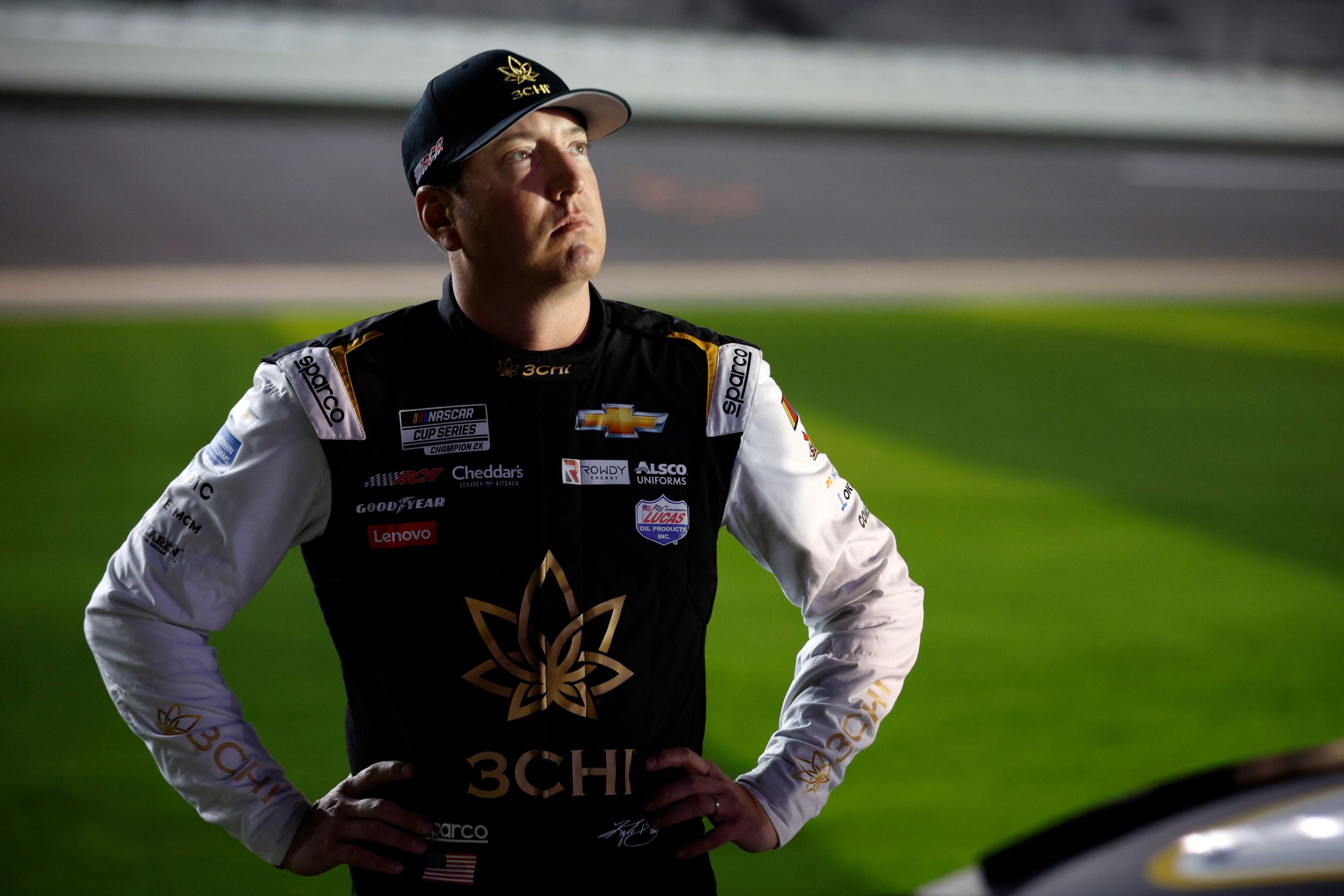
Kyle Busch’s death at 41 has shaken the NASCAR world and reverberated across Daytona and race tracks nationwide. The driver was known for raw speed, fierce competitiveness, and a complicated public persona that made him impossible to ignore. This article looks at his career, the reactions from the racing community, and the threads of his life that made him a defining figure in modern stock car racing.
From the moment he climbed into a stock car, Busch’s presence was obvious. He pushed teams and rivals to the limit and changed expectations for what a top driver would demand from his crew. That relentlessness won him fans and critics in equal measure, and it defined his time on the circuit.
On the track Busch was a master of wheel control and racecraft, able to pick his moments and extract performance when it mattered. He raced with aggression that sometimes crossed into controversy, which only made each victory feel harder earned. Those wins, regardless of count, shaped how people remember his talent.
Outside racing he was a private figure who still left public impressions. Busch invested in the sport through mentorship and involvement with younger drivers, showing a side that valued the future of NASCAR. His influence reached beyond trophies and into the development of new talent.
Fans remember the intensity he brought to every weekend, a competitor who refused to hide his emotions or his opinions. That forthrightness attracted a loyal base that admired honesty over blandness. In a sport built on adrenaline and personality, he brought both in full measure.
Teams and crews who worked with him describe a professional who demanded excellence and refused to accept excuses. That pressure produced results and also raised standards across pit boxes. In racing, where margins are tiny, his expectations often pushed everyone to perform a notch better.
When the news arrived, voices from across the paddock offered memories and condolences. Fellow drivers, crew members, and fans shared stories about late nights in garages, fierce duels on aged tracks, and the relentless pursuit of speed. Those recollections painted a picture of a man consumed by racing in a way few ever are.
Busch’s legacy is tangled with moments of brilliance and clashes that sparked headlines. That complexity is part of what makes his story resonate: he could be merciless on the track and unexpectedly generous in quieter moments. Legacy in motorsport rarely comes without contradictions, and his life was no exception.
This moment also brings attention to the people who support drivers away from the spotlight—family, trainers, engineers, and the small army behind race day. Their work is part of every lap, and they share both the joy and the risk that come with top-level racing. In grief, a community remembers all of them.
The sport itself will keep moving, but the memory of Busch’s intensity will be a reference point for years. Young drivers will study tapes, crews will revisit setups, and fans will debate his greatest runs. Those small, repeated acts of remembrance are how the sport honors those who have shaped it.
For fans gathering at tracks and on social channels, the reaction is both personal and public. People trade highlights and personal encounters, trying to understand a life lived at full throttle. In those exchanges the human side of competition shows through, full of admiration, regret, and the search for context.
Across racing, there will be moments that now carry extra weight. A fierce corner, a late-race pass, a shouted radio call will bring memories for those who watched him race and those who worked beside him. Those echoes are part of the way racing keeps its stories alive.