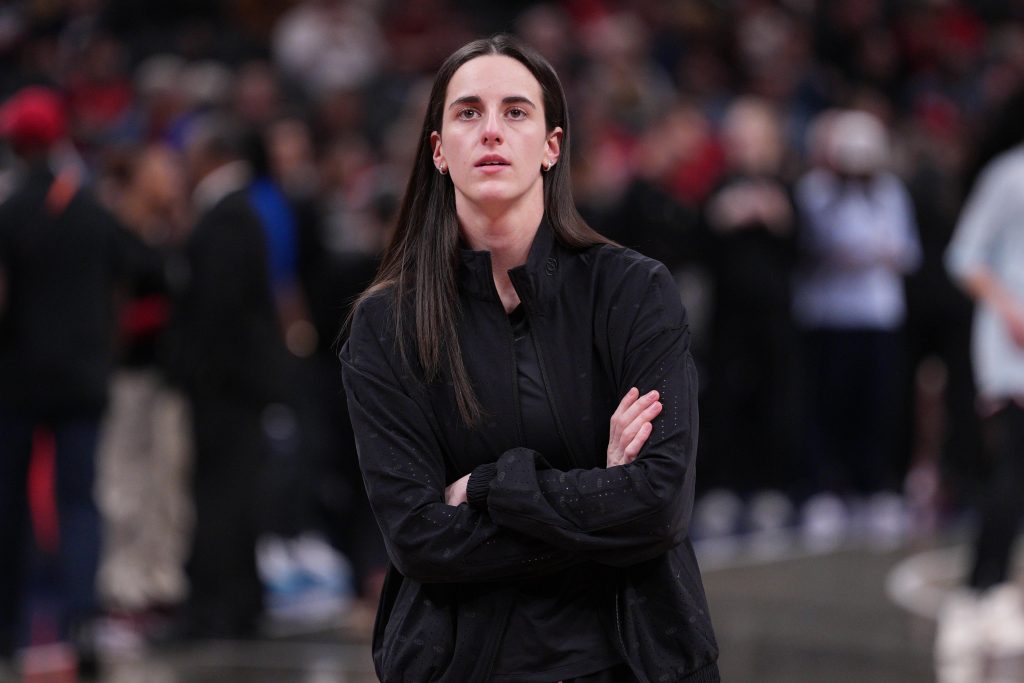
The Indiana Fever’s handling of Caitlin Clark’s late scratch for a May game in Indianapolis touched off a bigger debate about transparency, workload and trust. Coach Stephanie White and Clark addressed the situation at Gainbridge Fieldhouse and in pregame media sessions in Indianapolis, and the league issued a warning after the team failed to report Clark’s back issue before the game against the Fire.
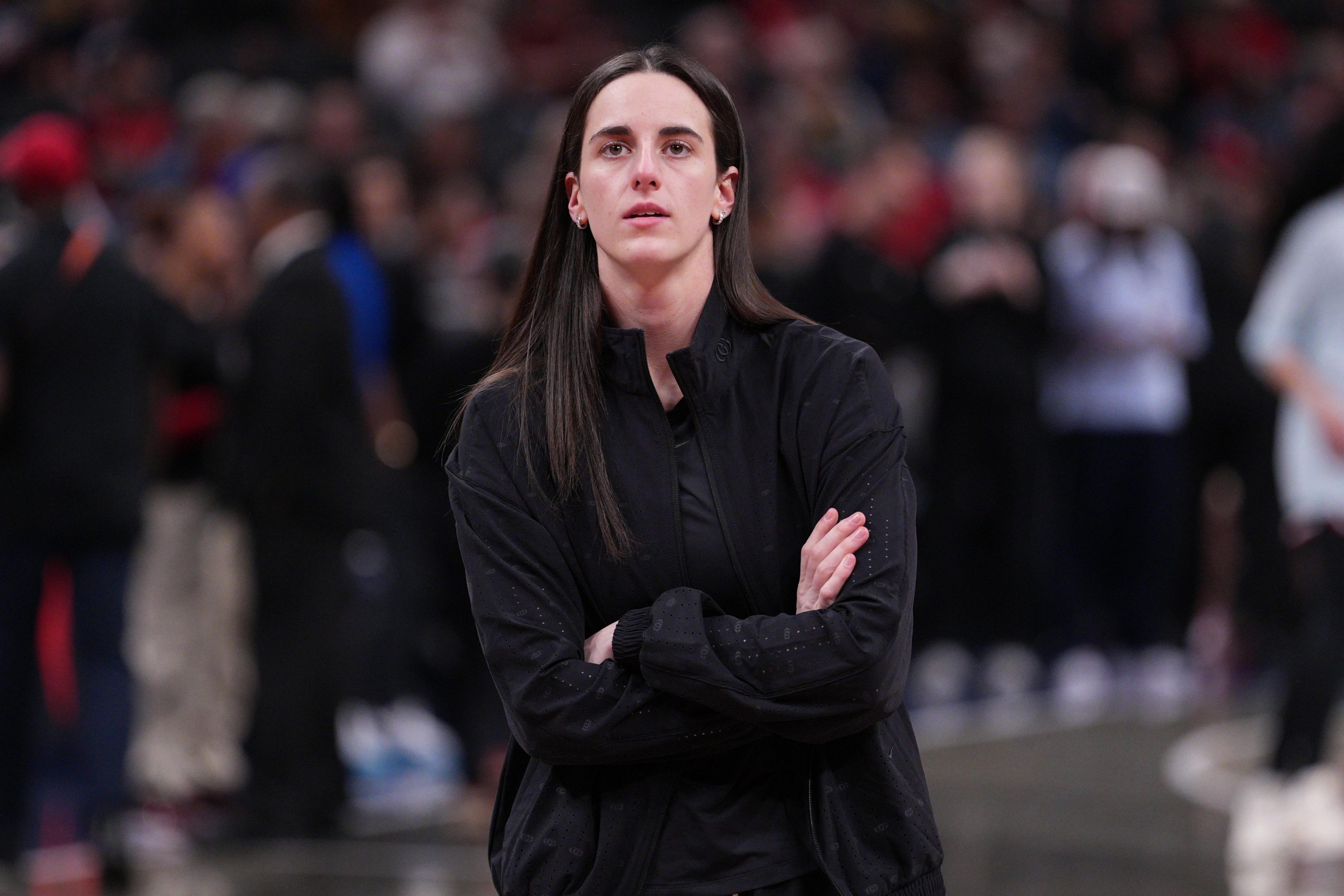
INDIANAPOLIS — The timing of Clark’s absence from that game created noise bigger than the injury itself. The team listed her as a late scratch the night of the game with a back problem, and because the staff hadn’t indicated the issue earlier, the league fined the Fever with a warning for not properly reporting her status.
The confusion started when Clark didn’t appear on the injury report but was scratched late for the game against the Fire. Coach Stephanie White said Clark hadn’t practiced the day before and woke up with back soreness, which only added to questions about how the Fever had communicated her condition to the league and fans.
The way the team handled it sparked online debate about whether Clark was actually hurt or whether the organization was managing her minutes. Because Clark draws huge attention, every small decision around her gets amplified, and the Fever’s lack of transparency turned a routine injury into a story that dominated the coverage.
Clark confronted the chatter directly before the Fever’s matchup with the Valkyries, delivering a detailed timeline of her two days before the game in an emotional press session. She explained that she tried to work through the soreness on Wednesday and only decided to sit when it still wasn’t right, which is a distinction that mattered to her personally and to the people close to her.
“I woke up Wednesday, felt a little sore, texted our training staff, texted my personal physio,” Clark said. “I actually went back and looked – because of all these narratives that are going crazy online – about when I told my mom I wasn’t going to play the game: 4:47 [p.m.]. You guys found out at 5:20 [p.m.].
“So, one of the most important people in my life found out 40 minutes before you guys.”
Clark was clear that the back issue might not be a one-time thing, pointing to how she needed adjustments during the season opener versus the Wings. She described ongoing recovery work that includes lifting, massages, hyperbaric therapy and needling — a full slate of steps to guard against setbacks and stay ready to play.
Asked Caitlin Clark:
-A timeline of her Tuesday and Wednesday
-Who made the final call on Wednesday pic.twitter.com/nS9lqPJVpH— Tony East (@TonyREast) May 22, 2026
“I mean, I think at this point maybe I’ll need to be listed as soreness on every injury report,” Clark said a little tongue-in-cheek in regards to the warning the team received. “My back feels good…But I hope it’s not something that hinders me. I think I’m doing everything I can to put myself in the best position I can recovery-wise. I’m continuing to lift. I’m continuing to get massages, hyperbaric [chamber], needling, every single thing I can possibly do after games and put myself in a position to play the next game and I feel really good.
“It’s like I said, a lot of it is a mental challenge as well. Just continuing to trust my body and know I’m good to go as well.”
Both Clark and White pushed back against the league warning in separate interviews, clearly frustrated that the narrative became about secrecy rather than the player’s health. When asked about the league’s response, White cut straight to the point with a terse line that underscored her view the Fever had followed proper procedure.
“My reaction is for what?,” White said.
That defensive posture from the team made the whole episode look combative and avoidable. If the Fever had listed Clark with back soreness a day earlier or updated her status on the day of the game, the matter would likely have faded quickly as a standard injury-related scratch.
Instead, the vacuum created space for rumors and speculation, and Clark’s candid conversation about mental hurdles and body trust was overshadowed. The league and its teams are still figuring out how to manage a star of Clark’s magnitude, and this was a messy example of a communication failure that could have been handled more cleanly.
Transparency is a small, practical move that prevents big distractions for players and teams alike. In this instance, better reporting would have kept the focus on Clark’s recovery plan and her performance on the court rather than on the off-court chatter that took over headlines.