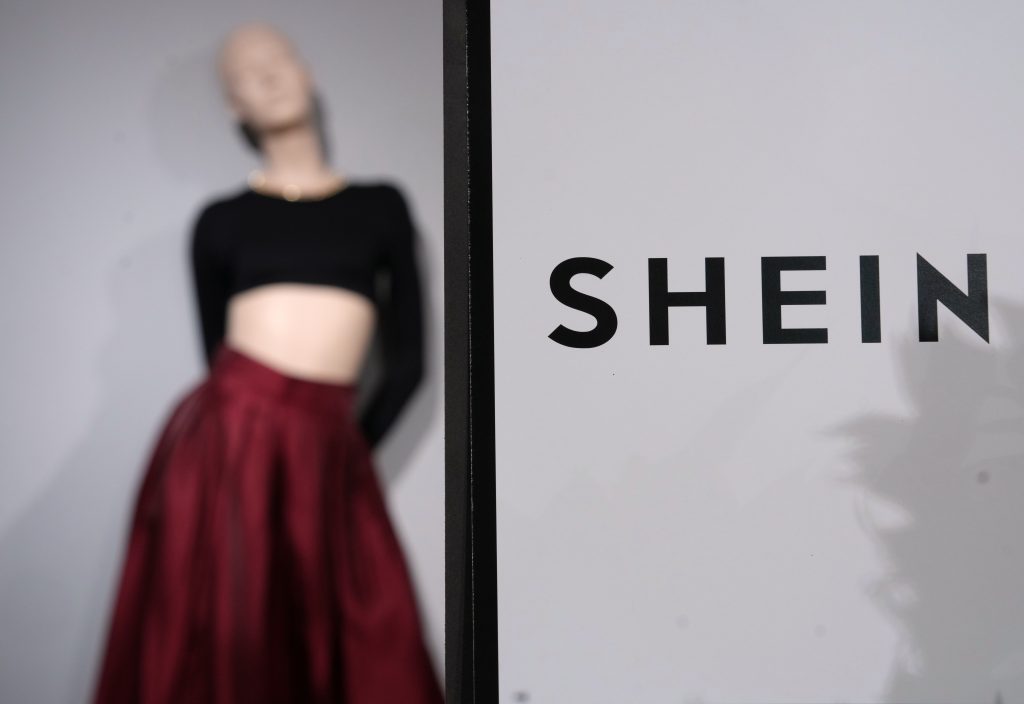
Everlane, the brand built on ethical basics by Michael Preysman and Jesse Farmer, has agreed to be acquired by fast-fashion giant Shein, a move confirmed in a letter from CEO Alfred Chang and now reshaping the company’s future. The deal, which L Catterton helped steer after taking a majority stake, arrives as Everlane faces slumping sales and rising debt, and it has prompted sharp reactions from industry watchers like Neil Saunders of GlobalData Retail. Alfred Chang, who became CEO in 2024, says the brand will stay independent, even as questions swirl about what Shein ownership means for Everlane’s identity and customers.
The formal announcement came through a message Chang sent to staff, and Everlane did not disclose a purchase price while Shein declined to comment. The lack of financial detail has left analysts and shoppers guessing about how deeply Shein will integrate operations or leave Everlane’s structure alone. For now, the key public line is stability: Everlane leadership says the brand will have the resources to keep going.
Everlane launched in 2011 with a promise to produce affordable, eco friendly clothing and to be transparent about pay, working conditions and environmental impact. The company built its reputation on publishing audits and details about factories and suppliers, and it opened its first physical store in 2017 as it expanded beyond strictly online retail. That early mission is the yardstick many customers use to judge the brand’s moves today.
In recent years Everlane has also weathered controversy over how it treats workers, with media reports raising questions that chipped away at consumer trust. Those stories, coupled with a shifting retail market, left the company more vulnerable than it appeared during its early rise. The combination of reputation strains and financial pressure is what makes this acquisition so consequential.
Private equity player L Catterton began building a large stake in Everlane in September 2020 and ultimately became the majority owner, a shift that changed the company’s financial backdrop. Michael Preysman officially stepped down in 2022, marking the end of the founders’ day-to-day control. Those leadership transitions set the stage for the eventual sale to Shein.
In his letter, Chang framed the deal as a lifeline and insisted the business will keep its core values. “Like many brands, we’ve faced increasing pressure in a rapidly changing retail landscape,” Chang wrote in the letter. He added that the partnership will let Everlane invest more in product, innovation and staff and that it will stay true to its “sustainability” commitments.
Chang also said he will remain CEO and that Everlane’s leadership team will stay in place, a line meant to reassure employees and longtime customers. That continuity could blunt some backlash, but it won’t erase the optics of a fast-fashion giant owning a brand built on slow-fashion ethics. Many shoppers will watch closely to see if the promises match the actions.
Industry analysts view the deal as largely pragmatic. Neil Saunders, managing director of GlobalData Retail, argues that Everlane needed new ownership to survive because sales are down and debt has mounted. He says Shein can provide the financial stability Everlane lacks and that the transaction probably keeps the brand alive where otherwise it might have struggled to find a path forward.
For Shein, the acquisition represents a chance to expand beyond its core fast-fashion model and attach itself to a different customer base and aesthetic. Tariffs and other trade restrictions under the Trump administration have complicated imports of the inexpensive clothing that dominates fast fashion, and diversifying through established labels gives Shein new routes to growth. Still, partnerships like this carry risks for both sides.
Even Saunders admits the pairing is uneasy. He warned that being linked to Shein may be “somewhat jarring for core Everlane customers. ” At the same time he conceded, “Ultimately, the deal likely saves Everlane,” he said. That tradeoff — survival through compromise — is the central tension now playing out as Everlane moves into a new chapter under Shein’s ownership.