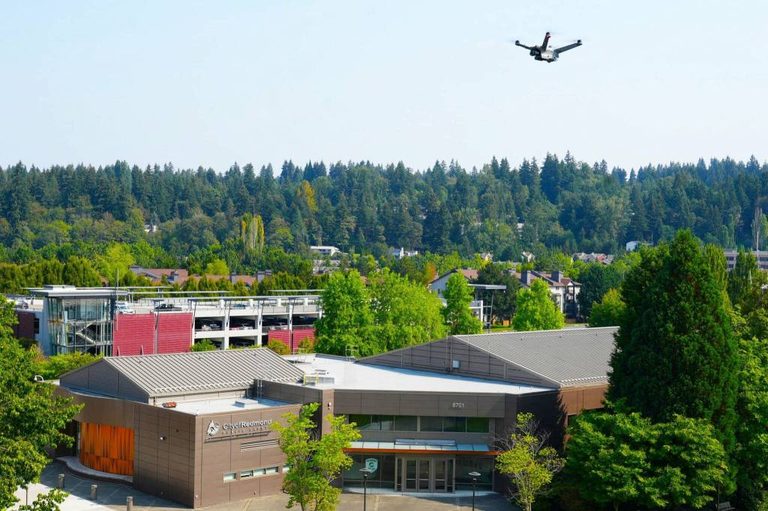
The Kent Police Department (KPD) presented a proposal to the City Council on August 18 to launch a Drone First Responder (DFR) pilot in 2027. The program would let officers operate drones from a safe, remote location, providing live video of a 911 scene before officers arrive on the ground.
How the program differs from current drone use
For the past two years KPD has used drones as a supplemental tool, requiring the officer to be on‑scene and maintain visual line of sight. Under DFR, an officer could launch a drone from a police station or other remote site, keeping the aircraft in the officer’s line of sight via a control feed while remaining out of harm’s way.
Commander Josh Bava emphasized that the drones would still be piloted by humans, not autonomous artificial‑intelligence systems. “It’s not an autonomous AI‑driven thing. It’s an officer remotely flying that drone to the scene and gathering that information,” he said.
Pilot details and equipment
Skydio, a San Mateo‑based drone manufacturer, has offered KPD a no‑cost pilot that would supply four X10 drones for one month. The X10 can fly up to 45 mph and stay aloft for about 40 minutes. After the trial, KPD would decide whether to adopt the technology permanently.
Bava said the department would collect data on response times, the number of flights, and any positive outcomes, then publish the findings for public review.
Goals of the DFR program
- Reduce response times for high‑ and medium‑priority calls.
- Decrease the number of calls that require an in‑person officer response.
- Limit uses of force and vehicular pursuits.
- Deploy drone assets to major emergency‑management incidents.
Achieving these goals would require officers to complete new training and for KPD to obtain a Federal Aviation Administration (FAA) waiver allowing operation beyond visual line of sight.
Community and civil‑liberties concerns
The Washington chapter of the American Civil Liberties Union (ACLU‑WA) cautioned that, without strict regulation, drones could threaten privacy and free‑speech rights. “They can carry multiple surveillance tools that capture data about people and their movements without their knowledge or consent, which could potentially chill free speech and impinge on people’s free association rights,” said Tee Sannon, technology‑policy program director for ACLU‑WA.
Skydio counters that non‑evidentiary data is automatically deleted after 60 days, matching KPD’s existing policy. Sannon added that any law‑enforcement use of drones must be carefully regulated to limit data collection, retention, and sharing.
Regional context
Other Washington agencies are already testing similar programs. Bellevue Police plan a pilot this fall with Skydio, Redmond Police launched a DFR effort in 2024, and the Snohomish County Sheriff’s Office began a program this week.
Next steps
Police Chief Rafael Padilla said he will request the program’s inclusion in the 2027/2028 biennial budget. If Mayor Dana Ralph approves the budget request, the City Council will vote on funding in November. Until then, the proposal remains in the preliminary stage.
Original reporting: Renton Reporter — read the source article.