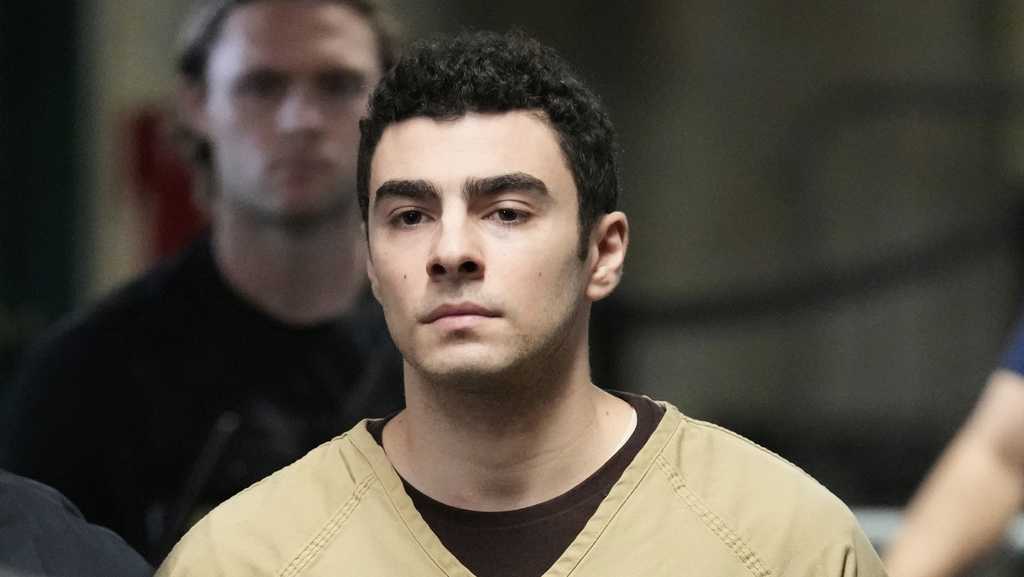
A judge could soon decide whether prosecutors can use Luigi Mangione’s alleged “manifesto” and 3D-printed gun in the UnitedHealthcare CEO killing case, and this piece walks through what’s at stake in court and beyond. The story follows Mangione’s legal fight over digital documents and a homemade weapon that prosecutors say tie motive to method across a high-profile murder case.
The immediate question before the judge is simple in description but messy in practice: will the manifesto and the 3D-printed firearm be allowed in front of a jury? Prosecutors argue both items are central to proving intent and planning, linking words to actions in a way that could shape the entire trial. That creates pressure for the court to weigh probative value against the risk of unfair prejudice.
On the other side, Mangione’s defense team is expected to challenge the origins and authenticity of the materials, arguing the alleged “manifesto” may not be his writing or may have been altered. They will also press questions about how the 3D-printed gun was sourced, tested, and connected to him, pointing to gaps in the chain of custody. Those challenges aim to keep inflammatory evidence out of jury view or at least force strict limits on how it can be used.
Rules of evidence will govern the judge’s call, and those rules have a lot of moving parts. Authentication is required to show a document or object is what prosecutors claim it is, while hearsay rules and exceptions will determine whether statements in the alleged “manifesto” can be admitted. The judge will likely parse past precedents and balancing tests that let potentially prejudicial items in only when their relevance clearly outweighs danger to a fair trial.
The 3D-printed gun raises another technical set of questions that jurors don’t always see behind closed doors. Experts may be asked to testify about how 3D-printed weapons function, how they can be traced, and what forensic evidence links a printed component to a particular user or printer. Expect dueling expert reports on reliability, fragmentation, and whether the device is identifiable as the murder weapon in a way that satisfies legal standards.
Courtroom dynamics will matter just as much as legal doctrine, because how evidence is presented shapes juror perceptions. Pretrial motions, hearings on admissibility, and possible redaction or limiting instructions will all aim to shape the narrative available to jurors without tipping the scales unfairly. Judges often try to strike a middle ground, admitting key evidence while giving juries careful instructions to consider that evidence only for permitted purposes.
If the judge admits both the alleged “manifesto” and the 3D-printed gun, prosecutors would have a stronger story tying motive to means, but they would still need to prove every other element of the crime beyond a reasonable doubt. If the judge excludes one or both pieces, prosecutors may have to rely on alternative proof streams like eyewitness testimony, surveillance, or other digital footprints. Either outcome could affect plea talks, trial length, and the tactics each side uses at trial.
The implications extend beyond a single trial, because courts are still sorting out how to handle digital manifestos and improvised weapons in the age of accessible manufacturing tech. Rulings in high-profile cases like this can set persuasive, if not binding, examples for how to treat similar evidence elsewhere. As the legal wrangling proceeds, the court’s choices will shape not only Luigi Mangione’s defense but also wider practices on admitting complex, modern evidence into criminal trials.