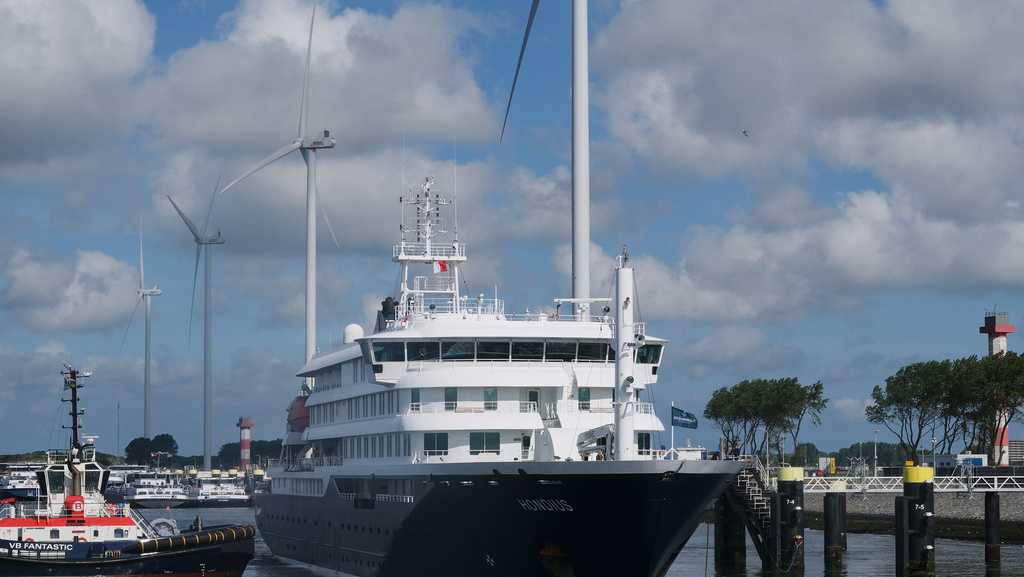
The cruise ship that became the center of a deadly hantavirus outbreak has pulled into the Dutch port of Rotterdam for thorough disinfection and public health checks. Rotterdam port officials, the ship operator and Dutch health authorities are jointly handling the response after cases were discovered on board. Passengers, crew and nearby workers now face increased screening and follow up while teams work to clean the vessel and trace exposures.
The ship’s arrival in Rotterdam triggered an immediate containment mindset, with port teams setting up sanitation zones and health officials preparing isolation spaces. Disinfection crews are concentrating on areas where crew and passengers spent the most time, while epidemiologists map the likely pathways of exposure. The goal is to reduce any chance of the virus lingering on surfaces or in spaces where airborne particles might persist.
Hantavirus is most often linked to infected rodents and their droppings, with people becoming ill after inhaling virus particles stirred up from contaminated material. Some hantavirus strains can be severe and even fatal, which is why public health agencies treat any confirmed cluster seriously. Human to human spread is rare for most strains, but caution and rigorous procedures are standard whenever cases turn up in closed, crowded environments like cruise ships.
Port and health officials are balancing the need to protect public health with the practical work of moving passengers off the ship and providing care. Symptomatic passengers are being assessed and may be moved to hospitals if needed, while others could remain under observation. Crew members involved in cleaning and passenger care are using protective equipment and following strict protocols to limit further exposure.
For port workers and first responders, standard infection control measures have been enhanced around the berthing area to limit any potential spread. That includes limiting access to essential personnel only, using personal protective equipment, and controlling waste removal and laundry. Rodent control teams are also part of the response, because eliminating potential local reservoirs is a core part of preventing new cases.
Medical teams on site are focused on testing, symptom screening and contact tracing to build a clear picture of who might have been exposed and when. Hantavirus symptoms can start with fever, fatigue and muscle aches, and progress to more severe respiratory issues in some patients. Because early treatment and supportive care can make a major difference, health officials are urging anyone who was on board and feels unwell to seek immediate medical attention.
The incident is a reminder of how vulnerable cruise operations can be to infectious threats that originate in the natural environment. Ports, cruise lines and health authorities must keep investing in prevention, from tighter rodent control in port areas to improved air handling and sanitation on ships. Passengers and crew also play a role by reporting symptoms quickly and following instructions from health and ship personnel.
Investigations are continuing into how the outbreak began, how many people were affected and whether any additional steps are needed at the port or on other ships. Rotterdam’s disinfection work will be thorough and may take days to complete before the vessel is cleared to resume normal operations. Meanwhile, health authorities will monitor anyone who may have been exposed and adjust their response as new information becomes available.