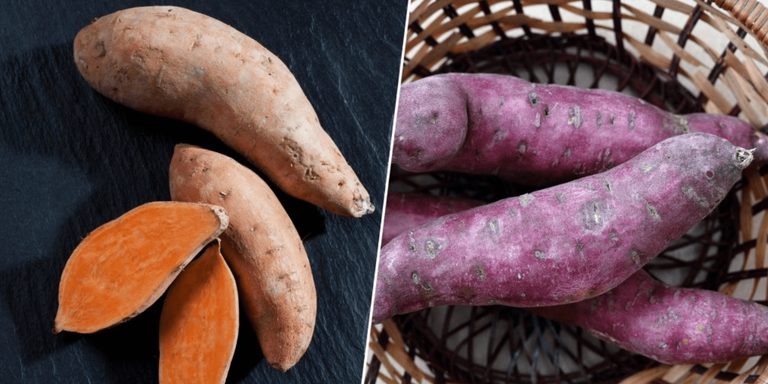
While strolling through Japanese cities you might see flatbed trucks roasting sweet potatoes, a street snack known as yaki‑imo. The Japanese variety, called satsumaimo when raw, is drier, nuttier and creamier than the orange‑fleshed sweet potatoes common in the United States.
What the dietitian says
Erin Palinski‑Wade, a registered dietitian and author, notes that the texture of satsumaimo often eliminates the need for toppings such as sour cream, beans or shredded chicken, making it a convenient, low‑add‑on street food. In contrast, the orange sweet potato—most often the Beauregard or Jewel variety—has bright orange flesh, a copper‑colored skin and a mild, sweet flavor.
Macronutrients and fiber
Both varieties provide roughly 27 grams of carbohydrates per medium 130‑gram serving, most of which comes from starch rather than simple sugars. Fiber content is nearly identical, at about 3.8–4 grams per potato, offering a mix of soluble and insoluble fiber. Soluble fiber forms a gel in the intestines that slows digestion, helps stabilize blood sugar and can bind cholesterol for removal. Insoluble fiber adds bulk, promotes regularity and may help reduce exposure to toxins and carcinogens.
Glycemic impact
The key distinction lies in the glycemic index. Japanese sweet potatoes rank lower, meaning they tend to cause a smaller and slower rise in blood glucose compared with the orange variety. For individuals watching blood‑sugar levels, satsumaimo may be the gentler option.
Vitamin content
Orange sweet potatoes excel in vitamin A, delivering 200–400 % of the daily value per serving thanks to high beta‑carotene. Vitamin A supports vision, skin health, immune function, bone formation and cell growth. Japanese sweet potatoes, however, provide more vitamin C and vitamin E. Vitamin C contributes to healthy skin, gums, bone health and immune defense, while vitamin E helps reduce inflammation, supports cardiovascular and brain health, and keeps skin hydrated.
Choosing the right potato
Both sweet potatoes are nutritious complex carbs that release sugar gradually, helping maintain steady energy. The decision between satsumaimo and Jewel sweet potatoes can be guided by personal health goals: opt for Japanese sweet potatoes for a lower glycemic response and added vitamin C/E, or choose orange sweet potatoes for a powerful vitamin A boost.
Practical tips
When buying, look for the deep reddish‑purple skin of Japanese sweet potatoes or the copper‑colored skin of orange varieties. Both can be roasted, baked, mashed or added to soups. Pair them with protein and healthy fats for a balanced meal that supports satiety and overall nutrition.
Original reporting: Dallas TX News (HLL/CB) — read the source article.