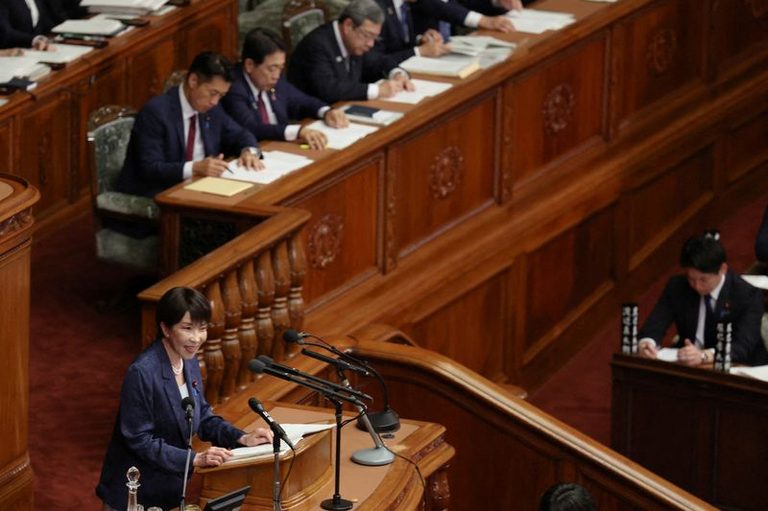
Tokyo – In a move aimed at tightening fiscal discipline while still delivering on key promises, Japan’s administration announced on Friday that it will restart its DOGE‑style spending review. The effort will scrutinise about 201 special‑purpose government funds, which together hold an estimated 7 trillion yen (about $44 billion) at the end of the next fiscal year.
Why the review matters
Prime Minister Sanae Takaichi has pledged a cut to the consumption tax on food starting in April 2027, a popular measure that will reduce household costs but also require new revenue sources. At the same time, the government faces mounting demands for higher defence spending and new industrial‑policy programmes.
Earlier this year, a first‑round review of special tax measures produced only three abolition proposals out of roughly 120 tax breaks examined by ministries. The modest outcome has spurred officials to adopt a more aggressive approach in the current round.
What the new review will target
The revived DOGE initiative will require any idle or long‑unused money in public funds to be returned to the national treasury. It also calls for stricter cost‑benefit assessments of subsidy programmes, using external experts and evidence‑based policymaking to ensure funds are deployed efficiently.
“Takaichi sees the DOGE review as a significant source of new revenue,” a senior government source said on condition of anonymity. “The funds are large enough to make a meaningful contribution to the budget.”
Fiscal context and market reaction
The push comes as Japan’s benchmark 10‑year government‑bond yield has risen to multi‑decade highs, reflecting investor concerns that the administration’s spending agenda could increase debt issuance and strain the nation’s already‑worsening finances.
In response, Takaichi has pledged to cap new debt issuance at around 40 trillion yen, even as the total budget request for the next fiscal year has hit a record 143 trillion yen.
Expert commentary
Keiji Kanda, senior economist at the Daiwa Institute of Research, warned that financing the consumption‑tax cut by cutting funds and subsidies could shift resources away from supply‑side investments toward demand‑side stimulus. “If the government’s priority is to strengthen Japan’s growth potential, directing fiscal resources toward investment would be more effective and less inflationary,” he said.
Next steps
The findings from the DOGE review are expected to feed into year‑end tax‑reform talks and the upcoming budget negotiations. Lawmakers will be looking for ways to balance the need for new revenue with the goal of maintaining market confidence in Japan’s fiscal management.
All figures are based on the exchange rate of $1 = 157.85 yen.
Original reporting: Appleton, WI News Feed (HLL/CB) — read the source article.