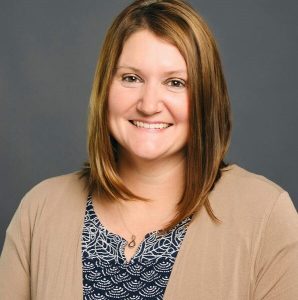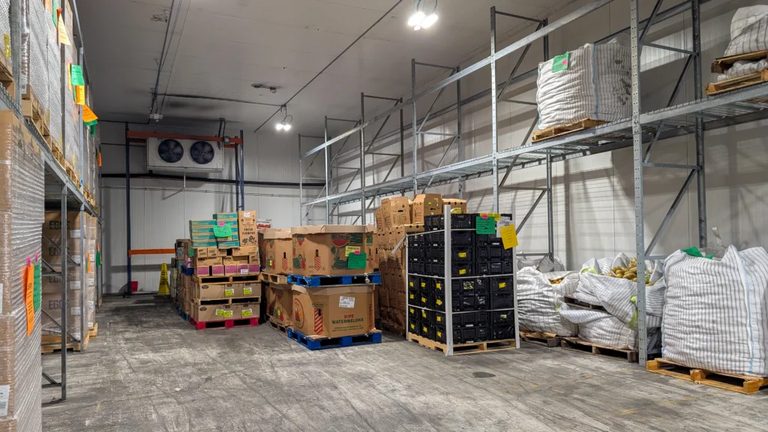
Jacksonville-area families are feeling the squeeze. Feeding Northeast Florida, the nonprofit that distributed more than 38.1 million pounds of food in 2025, says it is already on track to exceed that amount this year. CEO Susan King reports a 20% increase in people attending food‑distribution events this spring compared with the first quarter of 2026.
Federal and local policies add pressure
Federal restrictions on food‑assistance qualifications have limited the reach of programs that many low‑income households rely on. At the same time, the Bureau of Labor Statistics shows food prices at home rose 2.3% between July 2025 and July 2026, the highest level in a decade. In the South overall, food prices have risen 3.15% since President Trump began his second term in January 2025, following a 16.14% jump during the first 18 months of the previous administration.
Compounding the cost of groceries, gasoline prices in greater Jacksonville have surged 31% over the past year, a spike King attributes in part to recent foreign‑policy actions. The Trump administration’s coordination with Israel to bomb Iran this year has contributed to global fuel‑price volatility, affecting local drivers and families alike.
Utility hikes and school‑lunch changes
Utility costs are also climbing. Jacksonville Electric Authority (JEA) plans to raise rates for electricity, water and sewer service in October. While the start of the school year has eased some financial pressure for families with children, SNAP participation among Duval County public‑school students has slipped slightly, from about 23,000 in October 2025 to just over 21,000 now.
Students qualify for reduced‑price lunch if household income is below $71,588 and for free lunch if it is under $50,284. Many families fall just above those thresholds, leaving them without assistance for meals.
Governor DeSantis targets TANF spending
In response to concerns about wasteful use of welfare dollars, Governor Ron DeSantis announced the nation’s first restrictions on the Temporary Assistance for Needy Families (TANF) program. Speaking at a Feeding Tampa Bay warehouse, DeSantis said the program should remain part of the welfare safety net “particularly when you have to raise kids,” but that funds must be used for essential needs.
Effective immediately, TANF recipients may not spend benefits on tobacco, vaping products, illegal drugs, pornography, tattoos, tanning beds, video games or fortune‑telling services. The Florida Department of Children and Families, which administers both TANF and SNAP, emphasized that the amount of aid is modest and not a path to wealth, but that it must be directed toward its intended purpose.
Looking ahead
Federal officials plan to shift administrative costs for SNAP to state governments on October 1, 2027. This change comes after a more than 20% decline in SNAP usage in Duval County over the past nine months, a trend linked to uncertainty over federal funding.
Feeding Northeast Florida continues to rely on fundraising, public awareness campaigns and advocacy for policy that protects the most vulnerable. King says the organization is working hard to bring the problem to the community so that “people usually try to be a part of the solution.”
As the holiday season approaches—Feeding Northeast Florida’s busiest time of year—the need for food assistance is expected to grow, underscoring the importance of both local charitable effort and sensible policy that safeguards families.
Original reporting: Jacksonville Today — read the source article.