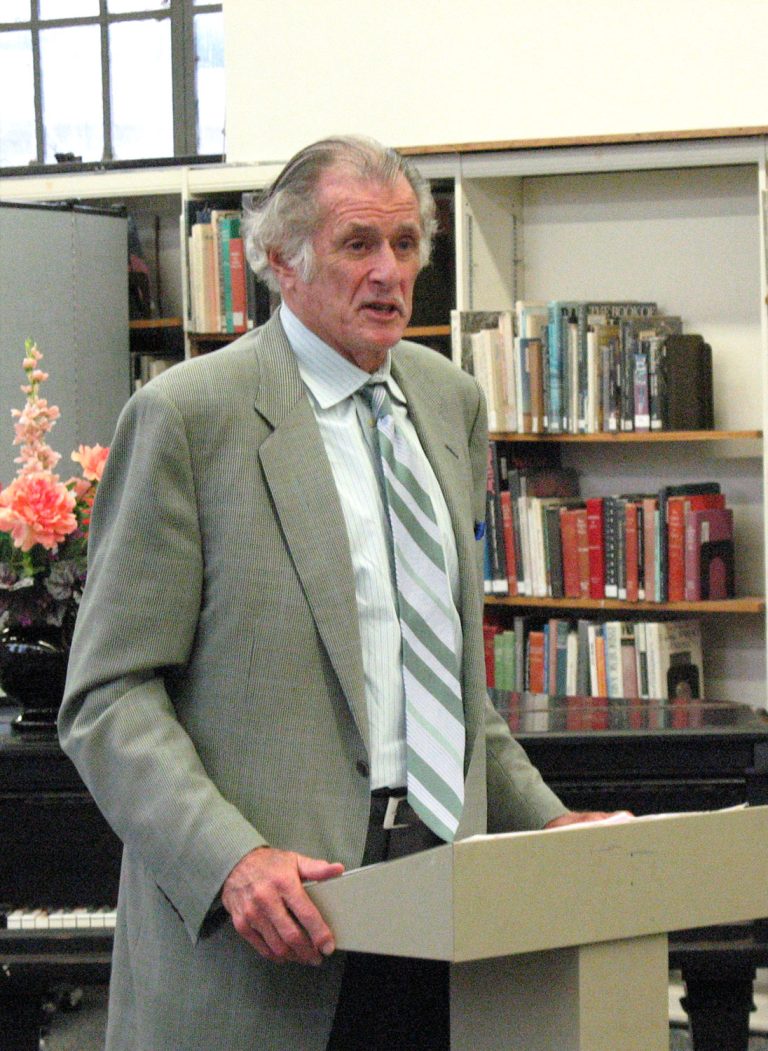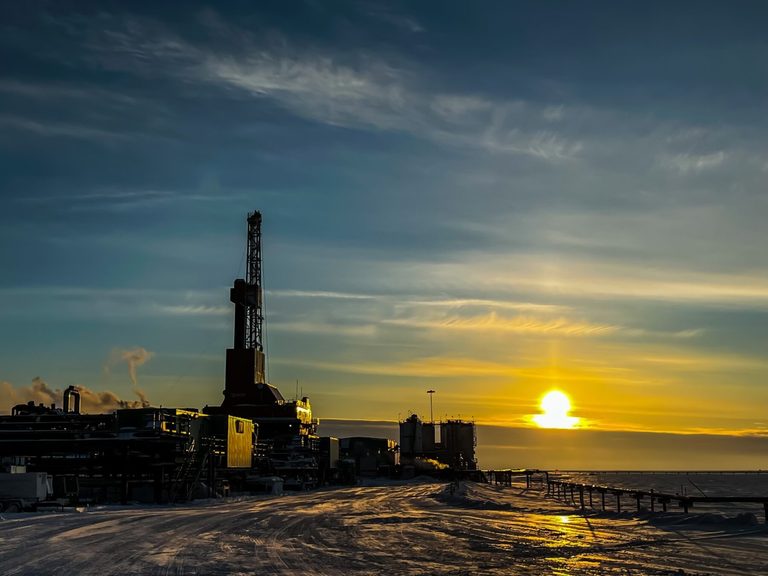
Alaskans who remember the boom of the 1970s and the steady dividends from the Permanent Fund may not know the man whose engineering genius and public‑service leadership made that wealth possible. Harold Heinze arrived on the North Slope in February 1969 as a young Arco reservoir engineer and quickly became the architect of Alaska’s oil era.
From Dallas Labs to the North Slope
Working under extreme secrecy in Dallas, Heinze and colleague Gary Downey decoded the first five discovery wells by examining microscopic scratches on blackened aluminum pressure cylinders. Their forensic analysis of pressure recovery, drill‑stem tests, and oil‑in‑place estimates gave Arco the data it needed to win the historic $900 million 1969 lease sale, a turning point that locked Alaska’s future wealth and regulatory framework.
Solving the Arctic Engineering Challenges
When the National Environmental Policy Act threatened to stall the pipeline, Heinze’s generation invented Arctic environmental compliance from scratch. Two breakthroughs proved decisive: a solution to the 1,400 °F “hot oil” problem that could melt permafrost, and the development of Vertical Support Members with heat‑dissipation technology that kept the tundra frozen. These innovations turned potential delays into the engineering discipline that made the 1977 Prudhoe Bay startup possible.
Startup Theater and Operational Innovation
The startup itself was high‑stakes theater. Within 24 hours, four companies finalized a three‑inch‑thick Prudhoe Bay Unit Operating Agreement, creating a single operating unit that avoided tax chaos and secured state royalties. A quiet revolution followed: the use of Drag‑Reducing Agents, known as “Slickum,” allowed throughput to jump from 1.2 million to 2 million barrels a day without building extra pump stations, turning a conservative design into industrial over‑achievement.
From Industry to State Leadership
Heinze later moved from Arco Alaska president to Alaska Department of Natural Resources (DNR) Commissioner under Governor Jay Hammond. He treated oil as a depletable asset that must be converted into permanent wealth—a principle that underlies the Permanent Fund. Under the Alaska Statehood Act, the state was entitled to select about 105 million acres of federal land. By the early 1990s, roughly 20 million acres remained unselected, with a hard deadline of January 1994. As DNR Commissioner, Heinze secured extra funding, assembled a multi‑agency “War Room,” and used strategic mapping to prioritize the final selections, maximizing resource potential while preserving corridors for connectivity and long‑term conservation.
Safety Culture and Environmental Stewardship
Heinze’s tenure also forged a safety culture born of crisis. The 1977 Pump Station 4 explosion taught that a construction‑first mindset endangers lives once live oil is in the line; “safety first” became non‑negotiable, and every worker earned the right to shut down unsafe work. During the Exxon Valdez spill, Heinze deliberately stepped aside from managing cleanup funds, handing the role to Marty Rutherford so the state’s response would never appear as corporate self‑interest.
The Unfinished Gas Chapter
One lingering shortfall remains the handling of natural gas. Reinjection delivered over 50 % recovery—double the industry average—but turned gas into a mechanical tool rather than an export commodity. Heinze’s mid‑1990s export deal and later the Alaska Natural Gas Development Act (ANGDA) in‑state line were technically sound yet politically rejected, leaving Alaska without a robust gas export market.
Legacy for Future Generations
Fifty years on, the foundations Heinze helped build—data‑driven lease strategy, Arctic engineering standards, unitized operations, Permanent Fund logic, decentralized safety, and deliberate land selection—still shape Alaska’s choices. The easy over‑achievement of the oil era has ended; the work now is converting remaining resources into lasting state value.
Phil Izon, the author of this piece, warns that many Alaskans are growing disconnected from the resources that built the state. The Permanent Fund Dividend is not a free check from the sky; it is the product of decades of effort, investment, and the vision of people like Heinze who turned a depletable asset into permanent wealth for future generations.
Original reporting: Must Read Alaska (Anchorage) — read the source article.