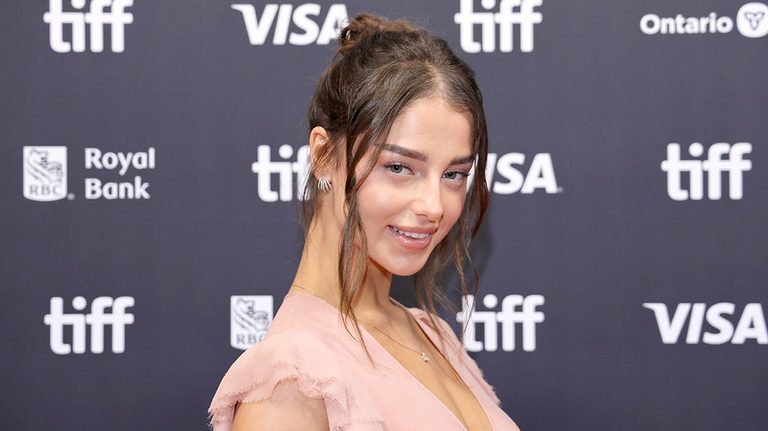
Israeli actress Noa Cohen, 24, spoke to The Hollywood Reporter this week about the backlash her new drama Our Loves has faced from a group of more than 1,000 Hollywood figures. The film, which dramatizes the Oct. 7 terror attacks that killed dozens of Israelis, has been targeted by a pledge signed in 2025 by celebrities such as Emma Stone and Mark Ruffalo to boycott Israeli festivals, cinemas, broadcasters and production companies they claim are “implicated in genocide and apartheid against the Palestinian people.”
Cohen calls for open dialogue
“Silencing artists because of government policies closes conversation. And don’t we need to keep that open?” Cohen said, emphasizing that hearing the stories of a people does not require agreement with every policy of their government. She added that the grief of survivors and families of the Oct. 7 victims is ongoing, noting, “You couldn’t really grieve until all the hostages were home. So really we’re not even at the end of the first year of grieving. And there will be many more years.”
Industry response and criticism
The boycott pledge, widely reported as a response to Israel’s actions in Gaza, has drawn criticism from pro‑Israel advocates who argue that targeting Israeli artists amounts to discrimination based on national origin. The Israeli‑American Council (IAC) issued a statement supporting Cohen’s remarks, saying, “Artists have every right to express their views, including views we may strongly disagree with. But freedom of speech does not mean freedom to apply a double standard and engage in discrimination.” The IAC warned that boycotting Israeli creators under the banner of artistic freedom is “disingenuous, wrong, and a clear act of antisemitism.”
Background on the film and casting controversy
In addition to its subject matter, Our Loves attracted attention for casting Cohen, an Israeli, as the Virgin Mary in the 2024 Netflix series Mary. Some critics claimed the role should have gone to a “Palestinian” actress, arguing that the historical figure was not Jewish. Director D.J. Caruso defended the casting, stating, “It was important to us that Mary, along with most of our primary cast, be selected from Israel to ensure authenticity.”
Broader implications for free expression
The controversy highlights a growing cultural clash over how the entertainment industry addresses the Israeli‑Palestinian conflict. While many in Hollywood argue that cultural boycotts are a legitimate tool to pressure governments, supporters of Israel contend that such actions unfairly punish artists who are not responsible for policy decisions. Cohen’s appeal to keep the conversation open reflects a broader call for balanced discourse that respects both free expression and the dignity of those who have suffered.
As the debate continues, the IAC and other pro‑Israel groups are urging studios, festivals and audiences to judge artistic works on their merit rather than on the nationality of their creators. The outcome may shape how future films about the Middle East are produced, marketed and received in both the United States and abroad.
Original reporting: Fox News (HLL/CB) — read the source article.