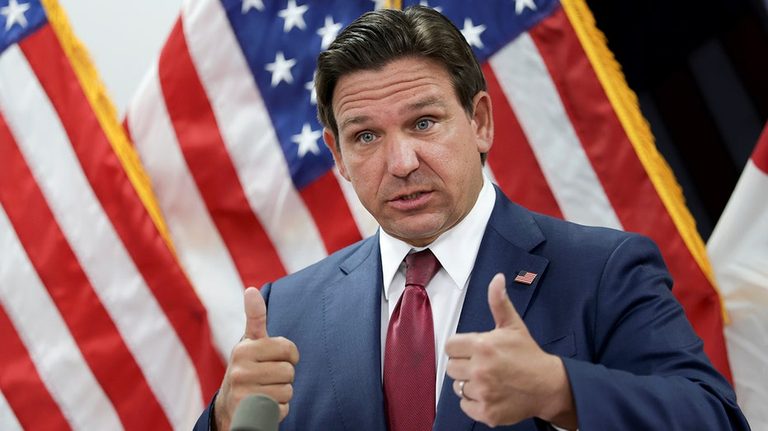
Florida’s Medicaid program is seeing a dramatic reduction in projected costs for Applied Behavior Analysis (ABA) therapy, a service used primarily for children with autism. The DeSantis administration says the nearly $1 billion drop reflects aggressive fraud enforcement, tighter managed‑care controls and new utilization‑management tools.
Fraud crackdown yields big savings
State officials disclosed that more than 220 Medicaid providers have been terminated for fraud, waste or abuse, and over 260 have faced payment restrictions or suspensions. In the past year the agency referred more than 150 suspected fraud cases to the attorney general’s office.
According to the governor’s office, the projected spending on ABA services for fiscal year 2026‑27 was originally $3.86 billion. After the crackdown, the estimate has been revised to $2.88 billion, a reduction of roughly $980 million.
How the scheme worked
The Agency for Health Care Administration (AHCA) said investigators uncovered providers billing Medicaid for more hours than exist in a day, including claims that covered every weekend and holiday for months. Some submissions listed more than 24 hours of service in a single day, a clear impossibility.
AHCA Secretary Shevaun Harris emphasized that protecting Medicaid means protecting the people it was created to serve – children, pregnant women, the disabled and seniors – while ensuring taxpayer dollars are not lost to fraud or abuse.
New integrity tools
Florida has introduced several safeguards to prevent fraudulent providers from entering or remaining in the program. A pilot partnership with identity‑verification firm SentiLink screens for stolen or fake identities and hidden ownership structures among Medicaid providers. The state also imposed enrollment moratoriums on high‑risk provider categories and issued more than 1,000 adverse enrollment decisions since January 2026.
Since the start of the year, AHCA has conducted 400 site visits to providers, focusing on high‑risk areas such as ABA therapy, medical equipment and adult day‑care services.
State’s broader strategy
Governor DeSantis framed the effort as the “most significant Medicaid integrity initiative in the history of our state.” The administration’s approach mirrors a call from HHS Secretary Robert F. Kennedy Jr. to move away from the traditional “pay‑and‑chase” model, instead stopping suspicious claims before funds are disbursed.
“Florida is not waiting to be told what to do,” AHCA said in a statement. “We are building the model: prevent fraud at the front door, verify every provider, and follow the data. A fraudulent provider stopped in Florida is a scheme that does not move on to the next state.”
What this means for Floridians
By cutting out fraudulent claims, the state aims to preserve Medicaid resources for eligible beneficiaries while maintaining high‑quality care. Families of children with autism can expect continued access to ABA therapy, but providers will now be subject to stricter oversight.
State officials say the crackdown also positions Florida as a model for other states grappling with Medicaid fraud, offering a template that emphasizes prevention, verification and rapid response.
Original reporting: Fox News (HLL/CB) — read the source article.