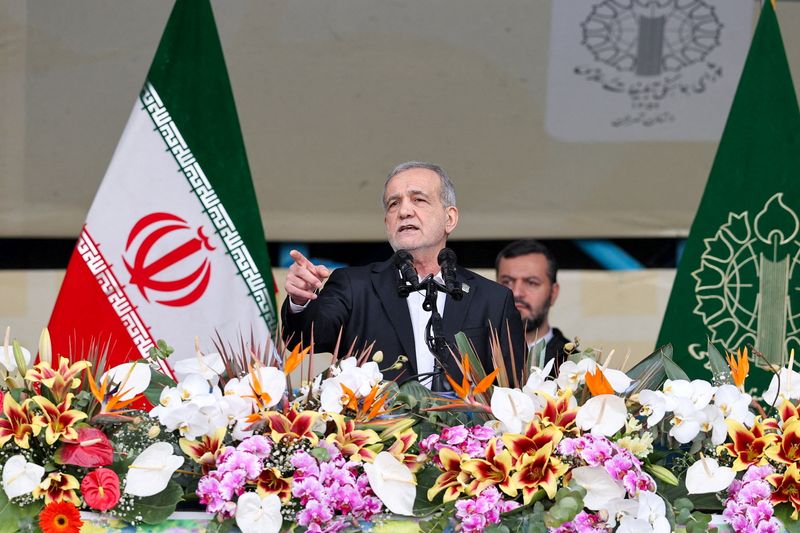
Iranian President Masoud Pezeshkian has taken a significant step by ordering the reopening of international internet access, as reported by Iranian state media. This decision comes after a prolonged 90-day blackout that left most Iranians disconnected from the global web. The blackout was initially imposed in response to nationwide anti-government protests and was later extended due to military conflicts involving the U.S. and Israel.
Background of the Internet Blackout
The internet restrictions began on January 8, following widespread protests against the Iranian government. Although connections were gradually restored in February, the situation changed dramatically with the onset of U.S. and Israeli military actions against Iran on February 28, leading to a renewed and extended blackout.
During this period, only a small number of Iranians managed to access the internet through costly and sophisticated VPNs that bypassed government restrictions. The majority of the population, however, remained offline, relying on Iran’s intranet for limited connectivity, especially for educational purposes.
Challenges and Future Prospects
While the order to reconnect to the global internet has been issued, the specifics of how and when this will occur remain unclear. The Iranian Communications Ministry has yet to provide details on the implementation process. Historically, Iran has maintained strict control over internet access, censoring many websites and promoting the use of a national intranet to reduce reliance on the global web.
This development is a critical moment for Iranian citizens who have been isolated from the international community. It also raises questions about the future of internet freedom in Iran and the potential for further government-imposed restrictions.
Original reporting: Appleton, WI News Feed (HLL/CB) — read the source article.