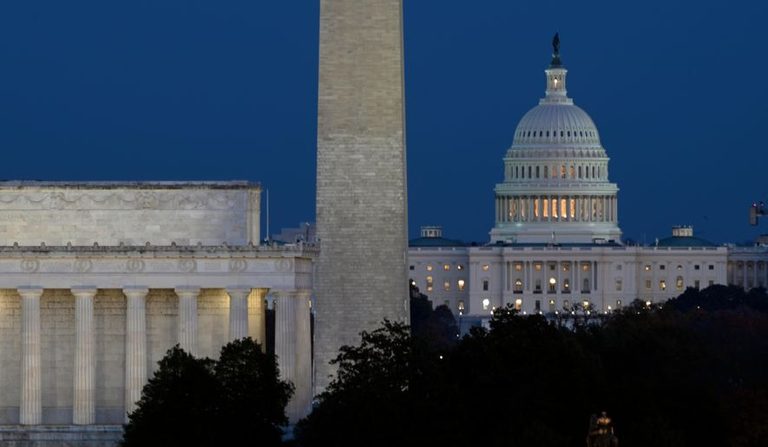
New U.S. intelligence reports indicate that Iran could be planning to target senior officials of the Trump administration in Washington, D.C., with a radioactive dirty bomb or a chemical weapon, according to a CNN briefing cited by WMAL.
The briefing, which referenced seven U.S. officials, said the intelligence community identified potential planning for attacks on specific locations and high‑level officials. However, officials noted uncertainty about Iran’s capability or intent, suggesting Tehran may be merely exploring options rather than preparing an imminent strike.
The White House confirmed that authorities are monitoring any potential threats but emphasized that there are currently no credible threats to the homeland. White House spokesperson Lauen Bis told UNILAD that the United States is “monitoring any and all potential threats, but at this time there are no credible threats to the homeland.”
President Donald Trump responded to the reports, warning Iran that it would “pay a price the likes of which no country has ever paid before” if it attempted an attack on the capital. He added that the administration is taking the matter “seriously.” KABC reported the President’s remarks on Tuesday.
In related security actions, the Secret Service moved Treasury Secretary Scott Bessent into military housing last week after threats from Iran, as noted by UNILAD.
Iran’s mission to the United Nations rejected the allegations, calling claims of chemical‑weapon use “false and fabricated” and stating that Iran “categorically rejects” such accusations. The mission did not directly address the dirty‑bomb intelligence.
Separately, Attorney General Todd Blanche, Director of National Intelligence Jay Clayton, and CIA Director John Ratcliffe sent a letter to congressional leaders urging the reauthorization of a surveillance law that permits the collection of foreign communications. The law expired in June, and officials argue that delay could endanger lives at home and abroad.
What’s next: Federal agencies will continue heightened monitoring of potential threats, and the administration is expected to brief Congress on security measures. Lawmakers are slated to consider the surveillance law reauthorization in upcoming sessions, a step the administration says is vital for protecting national security.
Sources: wmal.com, unilad.com, kabc.com