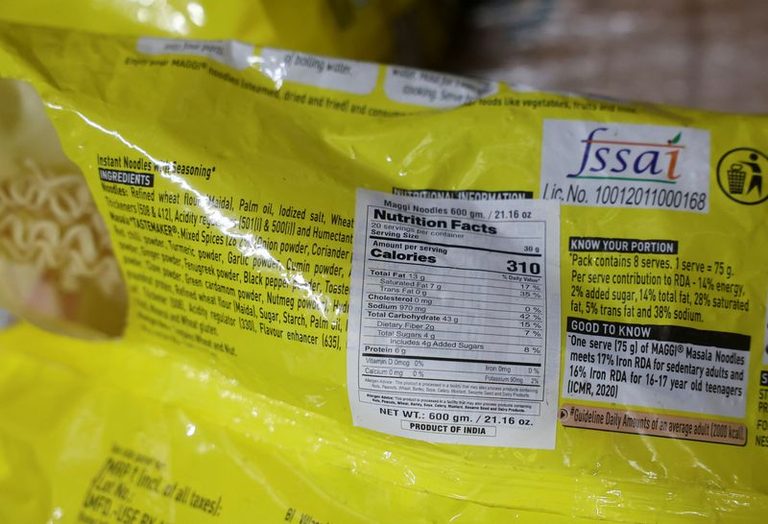


New Delhi – The Food Safety and Standards Authority of India (FSSAI) has launched an unprecedented nationwide campaign to protect consumers from unsafe food. Inspectors are raiding restaurants, suspending licences and demanding clearer labelling, a bold effort that aligns with the values of strong families and personal responsibility.
Why the crackdown matters for Indian families
India feeds more than 1.5 trillion meals each year. With a population of 1.4 billion, ensuring that every plate is safe is a monumental task, but one that cannot be ignored. Recent data show that roughly one in five of the 100,000 food samples tested annually is unsafe, substandard, or missing proper labelling. Over the past three years, nearly 8,000 food‑business licences have been cancelled.
High‑profile raids send a clear message
FSSAI officials have been posting videos of raids across the country, drawing widespread public attention. In Uttar Pradesh, inspectors seized 1,300 kg of adulterated paneer – a staple for vegetarians – and shut down the facility. The agency has also targeted major liquor brands such as Diageo for improper labelling and questioned the marketing practices of energy‑drink makers like Red Bull.
State‑level heroics: Maharashtra’s food commissioner
Among the most visible enforcers is Tukaram Mundhe, Maharashtra’s food commissioner. His surprise inspections have hit well‑known chains – Domino’s, Pizza Hut and McDonald’s – as well as upscale clubs in Mumbai. Mundhe’s actions have earned him celebrity status among parents who demand clean, honest food for their children.
Proposed front‑of‑pack warning labels
India is also moving toward front‑of‑pack warning labels that would flag products high in saturated fat, sugar or salt. The proposal calls for a red hexagonal stamp when any two of these nutrients exceed set limits. While some industry executives warn that “everything will be red,” health advocates argue the measure is a necessary safeguard for families battling diet‑related illnesses.
Balancing industry concerns and public health
Food‑industry leaders say the thresholds are too strict and could hurt sales of traditional snacks. Yet public‑health experts contend the current draft is too lenient, allowing many unhealthy items to escape warning labels. The Supreme Court is set to review the proposal on September 10, a decision that could shape the nutritional landscape for years to come.
What this means for everyday shoppers
For Indian families, the crackdown promises cleaner kitchens, safer street‑food stalls and clearer information at the grocery aisle. By holding both small vendors and multinational corporations accountable, the FSSAI is reinforcing the principle that parents should have the liberty to make informed choices about what their children eat.
Looking ahead
The ongoing enforcement drive demonstrates that a strong, faith‑guided commitment to public health can coexist with a thriving market. As the nation watches the Supreme Court’s ruling, the hope is that India will set a global example for protecting its citizens while respecting the entrepreneurial spirit that fuels its economy.
Original reporting: Appleton, WI News Feed (HLL/CB) — read the source article.