Indianapolis – The Indiana Department of Environmental Management is preparing to assume permitting authority for the state’s coal‑ash storage sites under a new proposal from the U.S. Environmental Protection Agency. If approved, Indiana would issue permits, conduct inspections, and enforce compliance for more than 100 coal‑ash units that currently fall under federal oversight.
Why the change matters to Hoosiers
Coal ash, the residual material left after coal is burned for electricity, can contain heavy metals and other pollutants that threaten groundwater if not properly contained. Indiana has the highest concentration of these sites in the nation, making local oversight a critical issue for families, farmers, and municipal water systems.
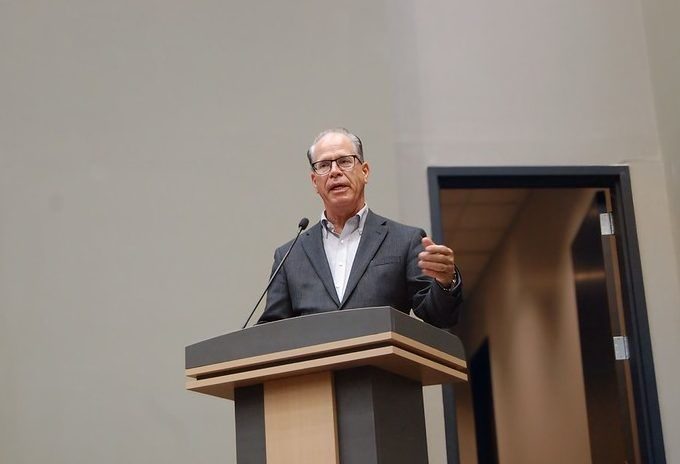
Governor Mike Braun emphasized that state control will give Indiana residents a stronger say in how these facilities are managed. “We want to make sure we’re protecting communities, water systems and the energy landscape,” Braun said at a press briefing. He added that the program would provide “stronger tools to prevent groundwater contamination,” reflecting the administration’s commitment to safeguarding the health of Indiana’s families.
EPA’s stance
EPA Administrator David Fotouhi affirmed that the proposal would not dilute environmental protections. “This step reinforces, not weakens, safeguards for human health and the environment,” Fotouhi said. He noted that while the agency would retain authority to set baseline environmental standards, Indiana would handle day‑to‑day permitting decisions, allowing local officials who understand the state’s unique geography and water resources to act more swiftly.
How the process will work
Under the plan, Indiana would be required to meet the EPA’s baseline standards for groundwater protection, air quality, and waste handling. State regulators would then issue permits, conduct regular inspections, and enforce corrective actions when violations are found. The EPA would retain the right to intervene if a state decision is deemed inconsistent with federal standards.
The public will have a chance to weigh in. The EPA has opened a 60‑day comment period and scheduled a public hearing for November 12. Stakeholders—including local municipalities, environmental groups, and industry representatives—are encouraged to submit written comments or attend the hearing.
Potential impact on local economies
Supporters argue that state‑level management could streamline permitting, reduce bureaucratic delays, and create jobs in environmental compliance and monitoring. By keeping decisions closer to home, Indiana hopes to balance economic growth in the energy sector with the need to protect its abundant water resources.
Critics, however, caution that state oversight could lead to a more lenient approach if political pressures outweigh environmental concerns. They point to the importance of maintaining robust federal oversight to ensure uniform protection across state lines.
What’s next?
The proposal is not final. After the comment period closes, the EPA will review feedback and decide whether to formalize the delegation of authority. If adopted, Indiana would become one of the few states with direct permitting power over coal‑ash sites, setting a precedent for how states can partner with the federal government to manage legacy industrial waste.
For now, Indiana residents and stakeholders await the outcome of the public hearing, hoping that the balance between economic vitality and environmental stewardship will be struck in favor of safe, clean water for all Hoosiers.
Original reporting: 93.1 WIBC (Indianapolis) — read the source article.