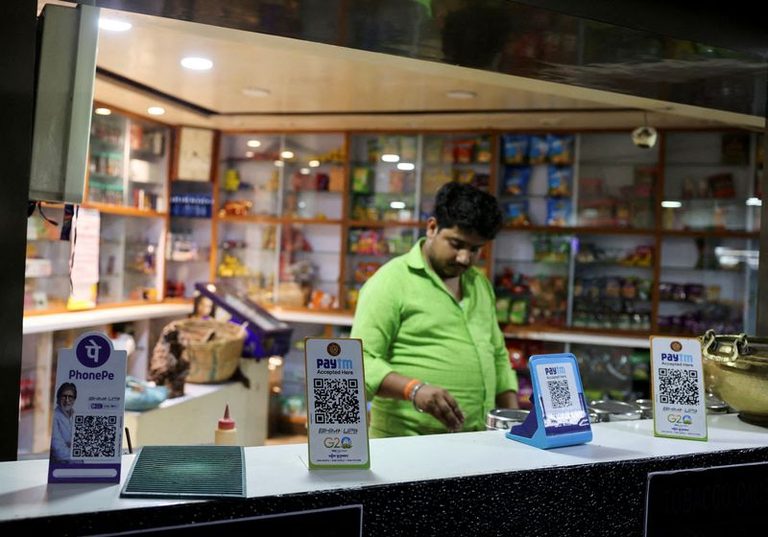
India’s government announced that, beginning October 15, 2026, merchants will be required to pay a 0.4% Merchant Discount Rate (MDR) on Unified Payments Interface (UPI) transactions exceeding ₹2,000 (about $21). The change ends the zero‑MDR regime that has been in place since 2020 and is intended to help the nation’s digital‑payment infrastructure become financially sustainable.
Why the fee is being introduced
Officials from the National Payments Corporation of India (NPCI), the central bank and the finance ministry say the fee will provide a steady revenue stream for banks and payment‑service providers that have so far absorbed transaction costs. They argue the modest charge will also support expansion of UPI services into rural and semi‑urban areas, where connectivity and merchant adoption remain lower.
How the fee works
The MDR of 40 basis points applies only to payments above ₹2,000. Certain categories – such as small merchants, telecom operators, railway ticketing, and mutual‑fund or stock‑investment platforms – will enjoy lower rates. For very large transactions, the fee is capped at ₹300 on amounts exceeding ₹75,000.
Impact on merchants and consumers
Merchants will remit the fee to the banks that process the transactions, with a portion passed on to payment apps like Google Pay and PhonePe that facilitate the payments. While the NPCI has stated that merchants cannot directly shift the charge to shoppers, critics warn that the cost may eventually be reflected in higher prices or a shift back to cash payments.
Market reaction
Shares of Indian payment firms rose on the news, as investors saw the new fee as a fresh revenue source. Companies that have been operating with thin margins on UPI transactions are expected to benefit from the additional income.
Political response
The opposition Congress party, led by Rahul Gandhi, criticized the move, claiming it will increase the financial burden on consumers if merchants pass the cost along. Social‑media users have also expressed concern that the fee could discourage the use of a platform the government has promoted as a public digital‑infrastructure.
UPI’s scale and significance
In August 2026, UPI processed 24.5 billion transactions worth ₹29,823 billion for more than 550 million users, accounting for 84% of India’s digital‑payment volume and 49% of global real‑time‑payment volume. Major players such as Walmart‑owned PhonePe and Alphabet’s Google Pay together hold about 80% of UPI transaction value.
Looking ahead
The fee is set to remain in place until further notice, with the government indicating that it will review the impact on merchant adoption and consumer costs. Stakeholders will be watching whether the modest charge achieves its goal of a self‑sustaining digital‑payment ecosystem without stifling the rapid growth that has characterized UPI’s rise.
Original reporting: Appleton, WI News Feed (HLL/CB) — read the source article.